Industrial Extruders

Precision extrusion
for demanding
applications

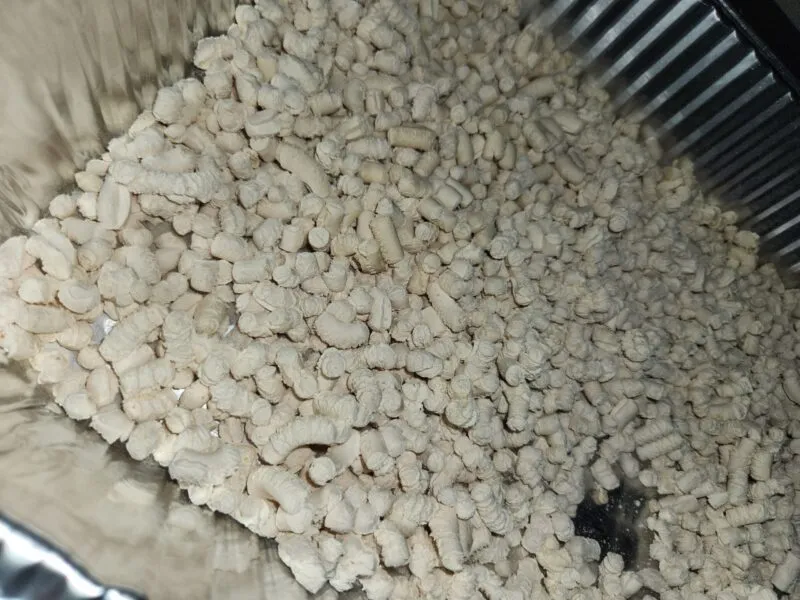
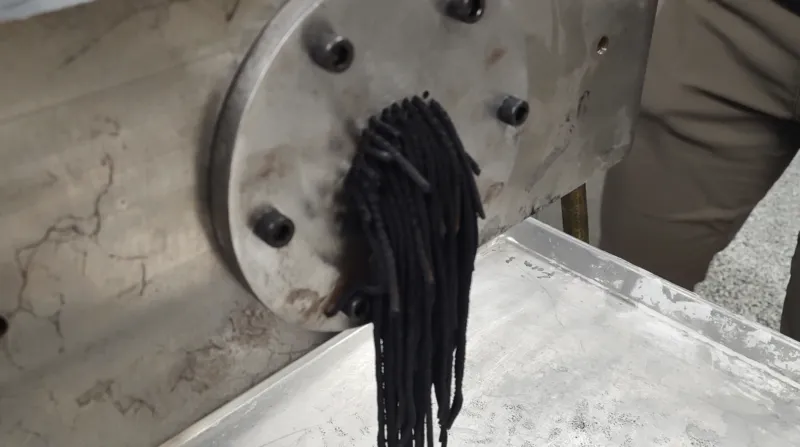
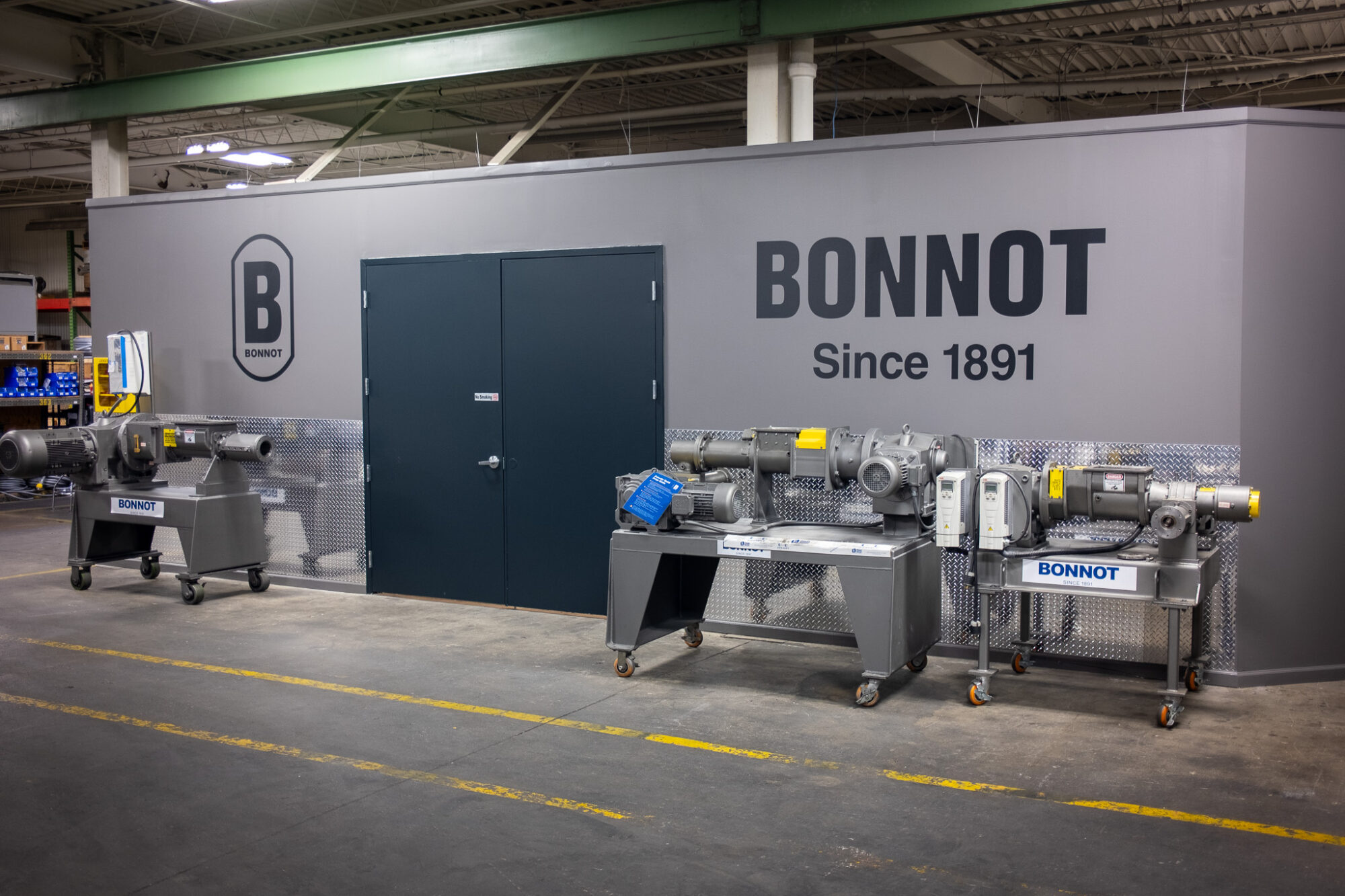
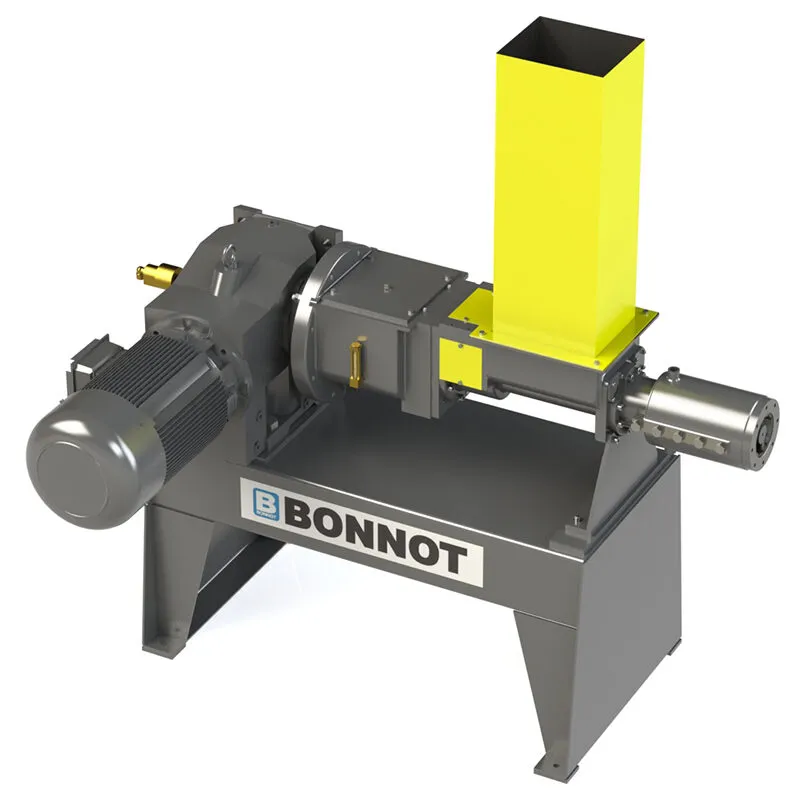
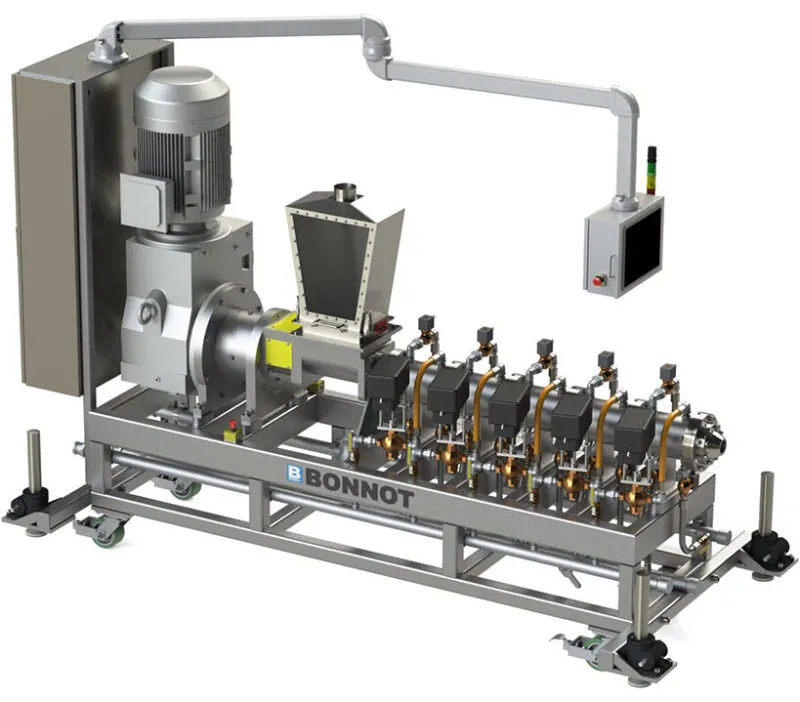
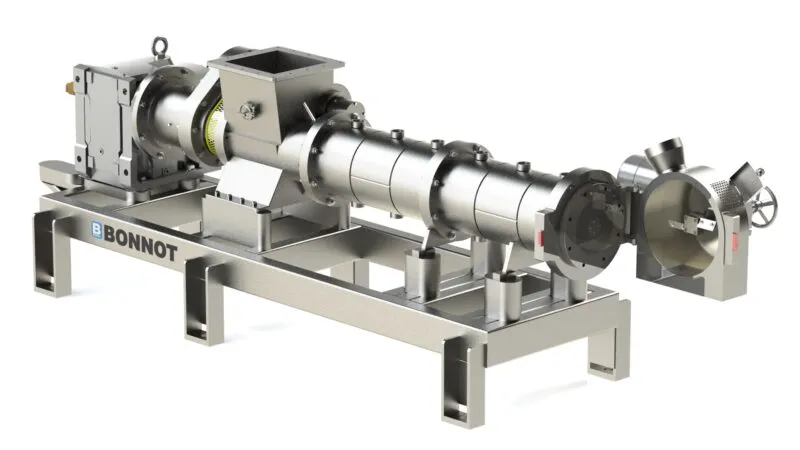
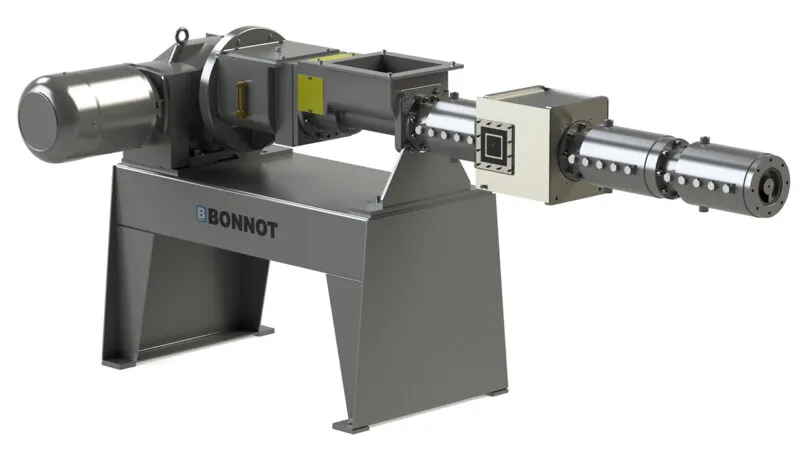
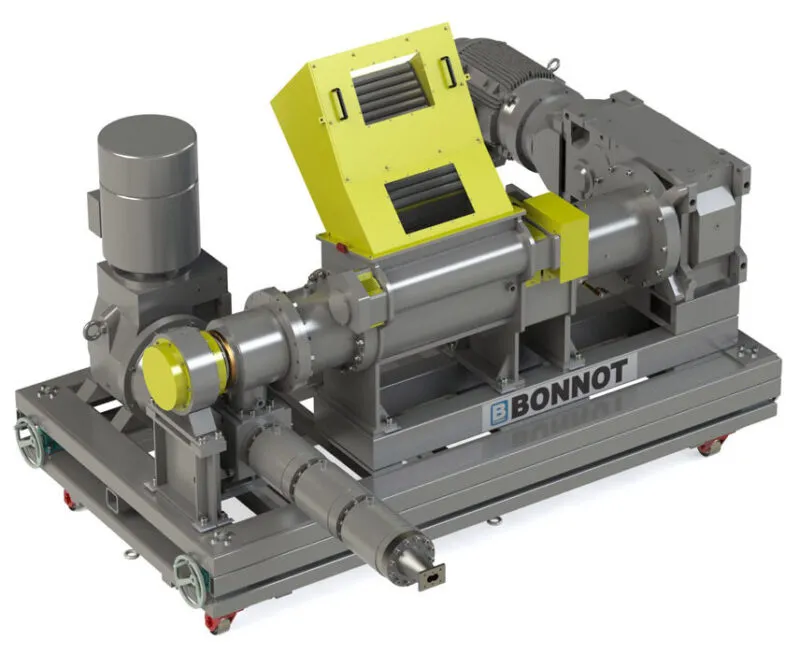
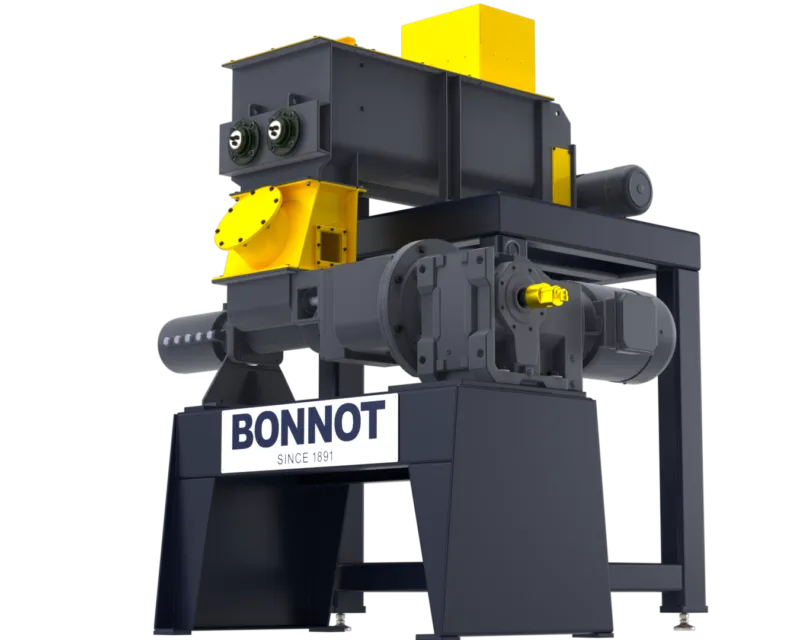
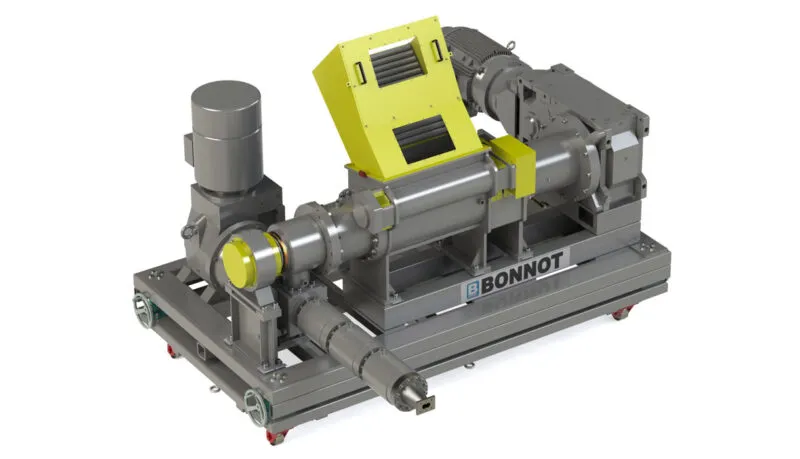
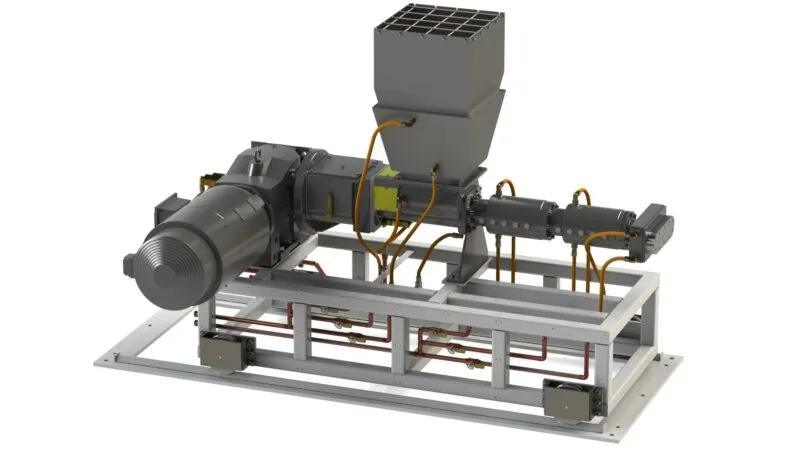
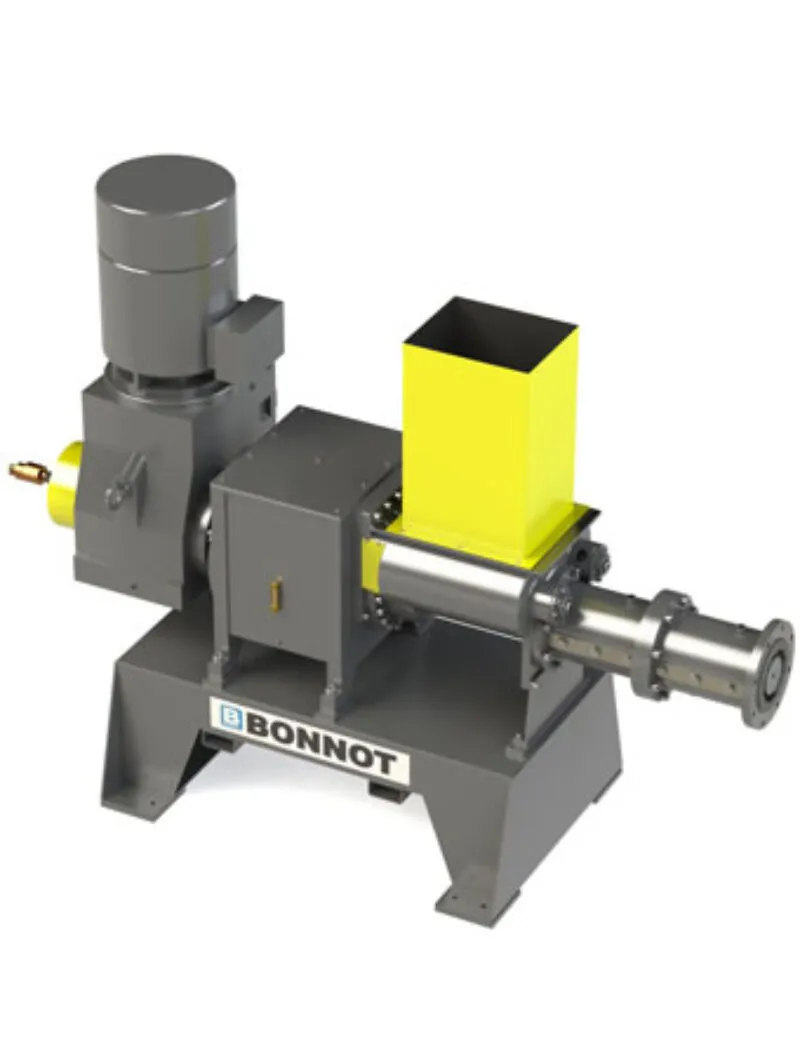
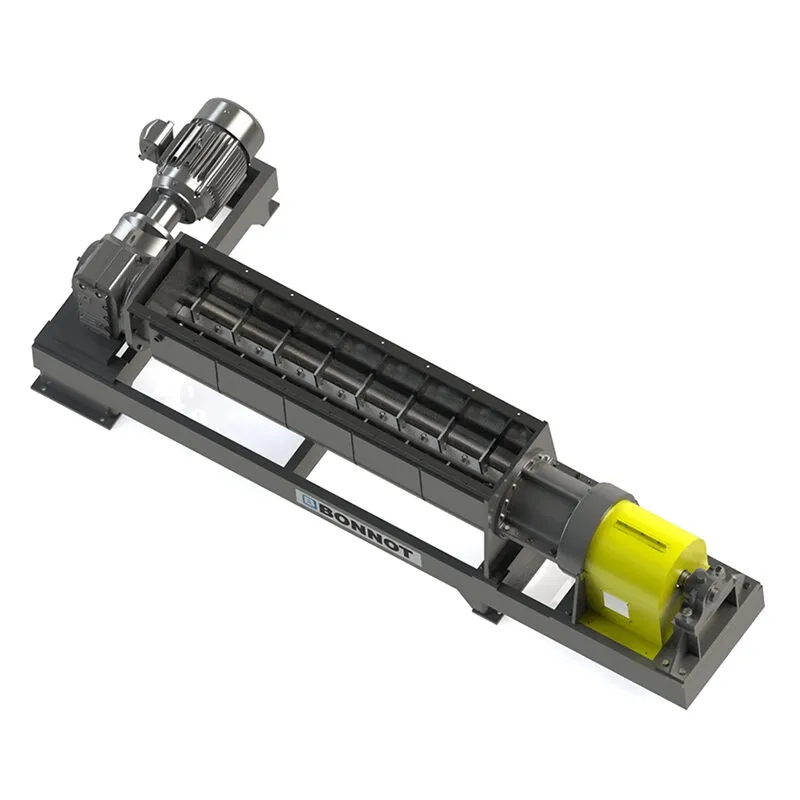
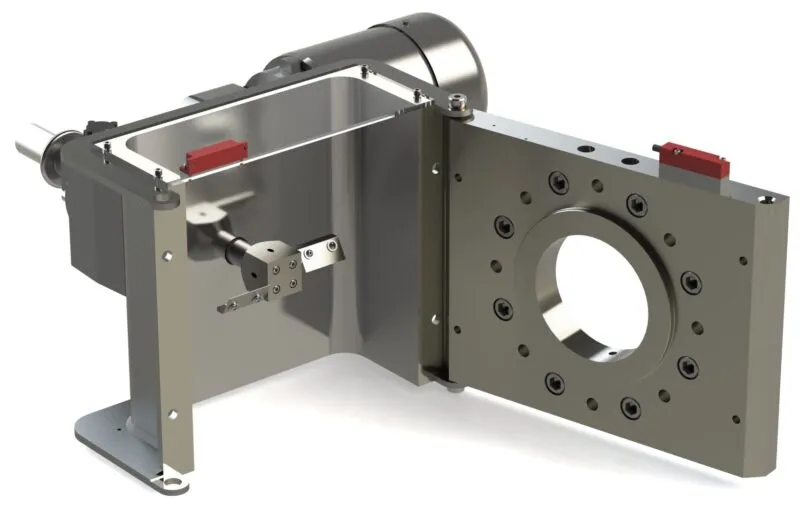
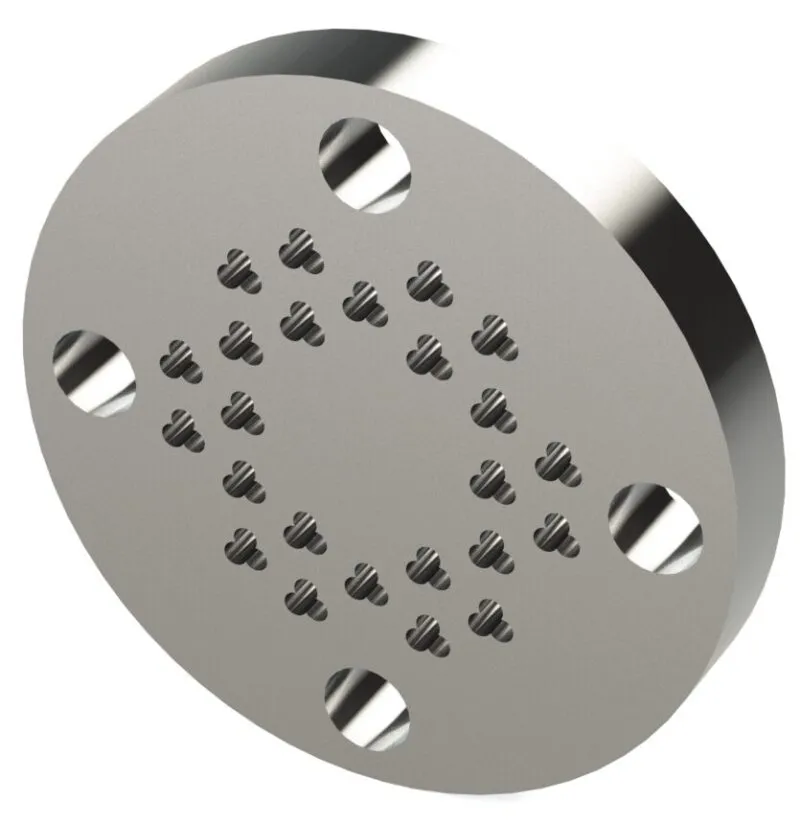
Bonnot extruders are continuous-feed, screw-driven machines that force adhesives, rubber, food, ceramics, chemical, and mineral materials through precision-engineered dies to produce consistent profiles, pellets, or shapes at production scale. Designed in Ohio and built for decades of service.

  • 125+ Years in operation

  • 50+ Materials processed

  • 100% U.S. manufactured

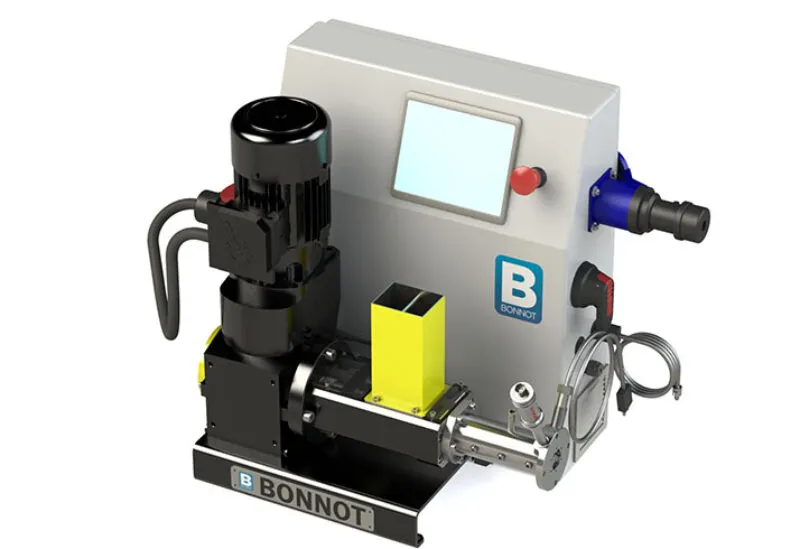
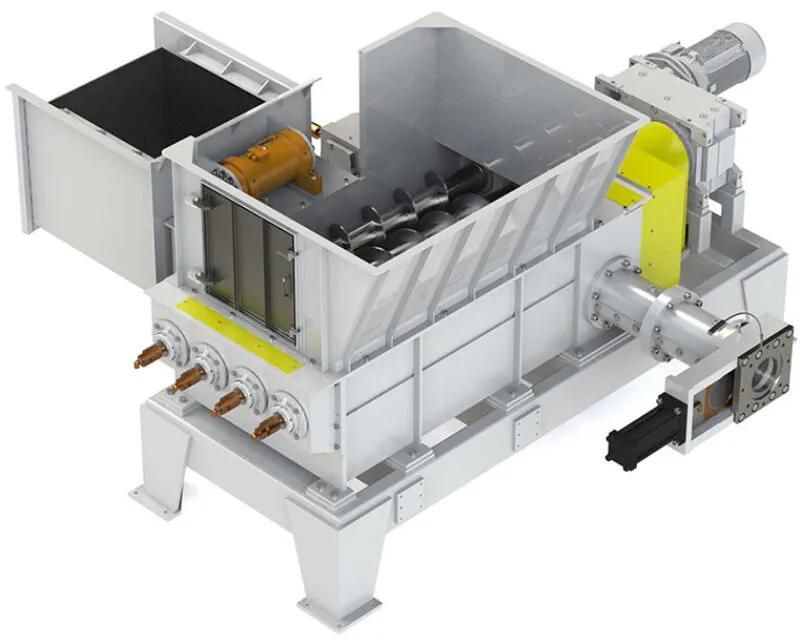
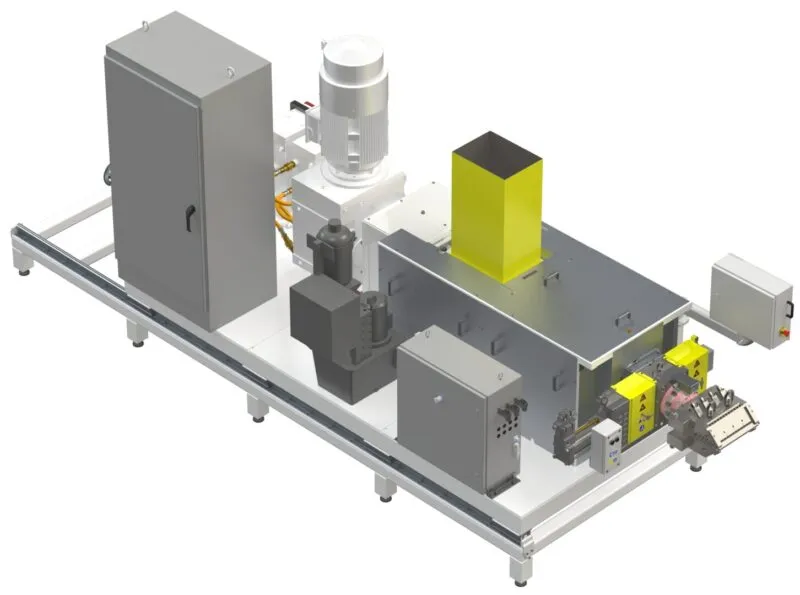
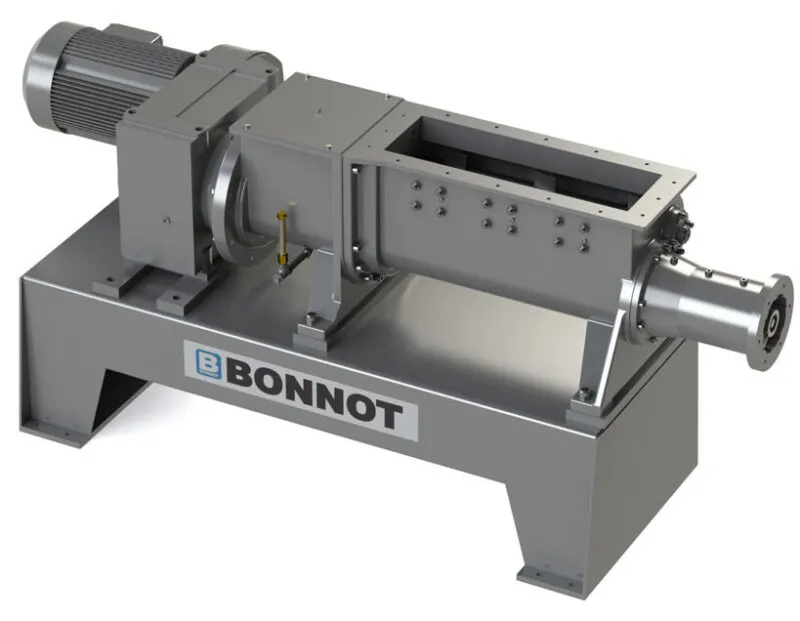
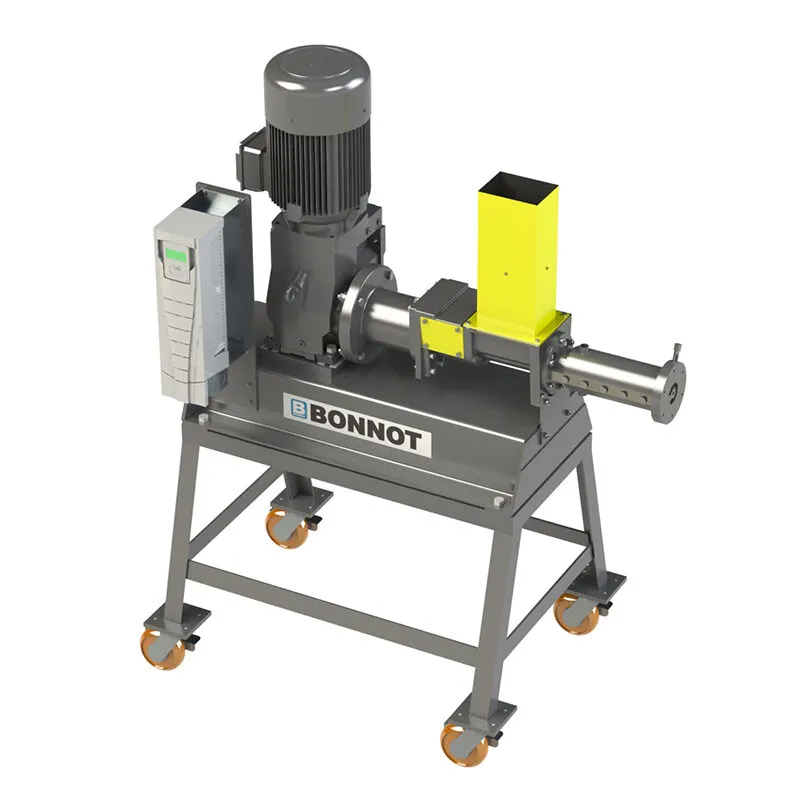
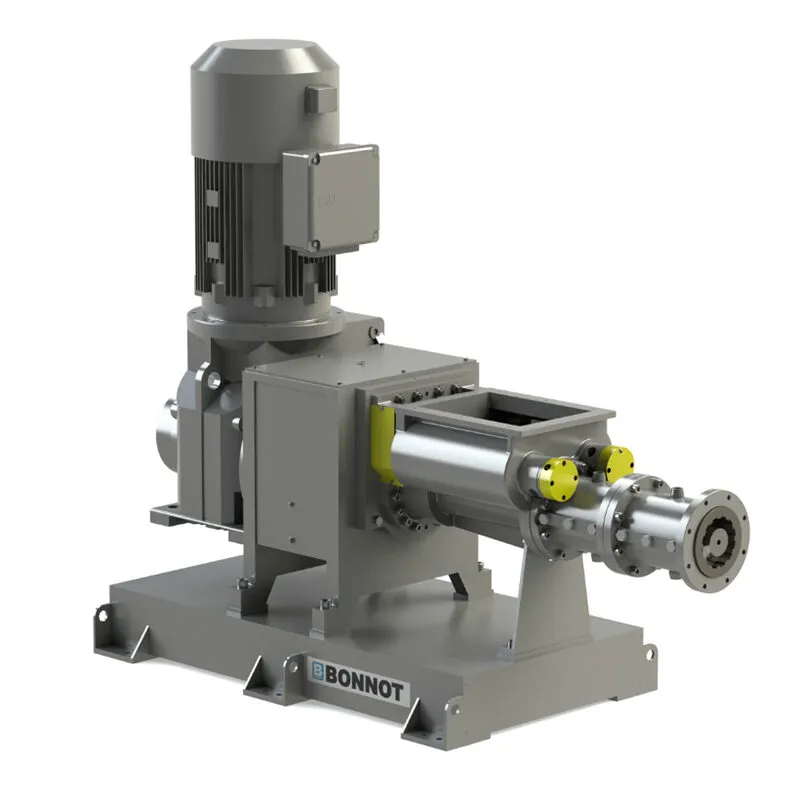
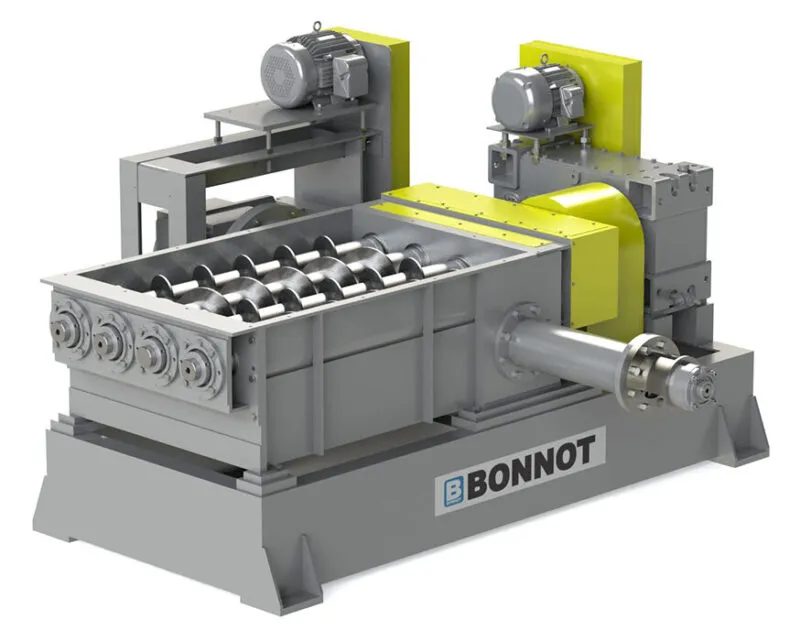
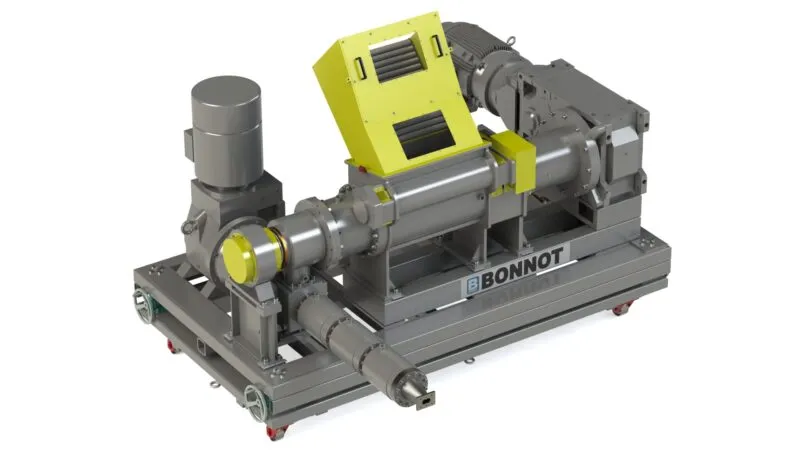
Extruders for every process requirement From laboratory-scale development units to high-throughput production extruders, Bonnot offers a complete range of machine configurations.

Engineering Capabilities

Built around the material, not the other way around

Bonnot does not sell catalog machines. Every extruder begins with a process analysis — material rheology, desired output geometry, throughput target, and downstream integration requirements. Screw geometry determines shear profile, residence time, and pressure development. Bonnot designs custom flight pitch, compression ratio, and metering zone depth for each material and throughput target. Contact surfaces are available in a variety of steels, stainless, chrome-plated alloy, and tungsten carbide-coated configurations depending on abrasion and corrosion requirements.

Why bonnot?

Single-focus manufacturer
Bonnot makes extruders and extrusion tooling — nothing else. Every engineer, machinist, and technician in the facility works on extrusion problems exclusively. That depth shows in machine design and in application troubleshooting.
In-house machining
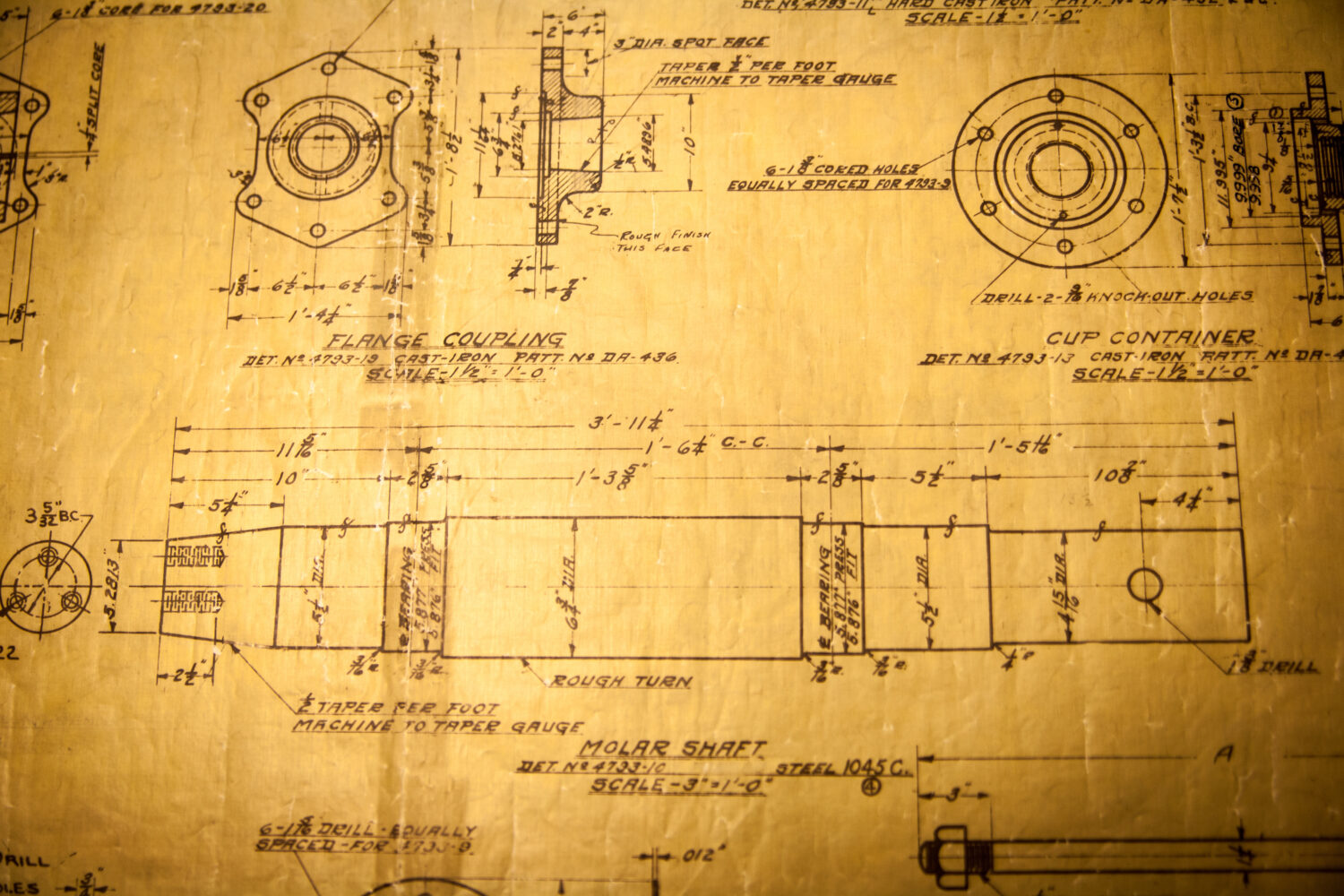
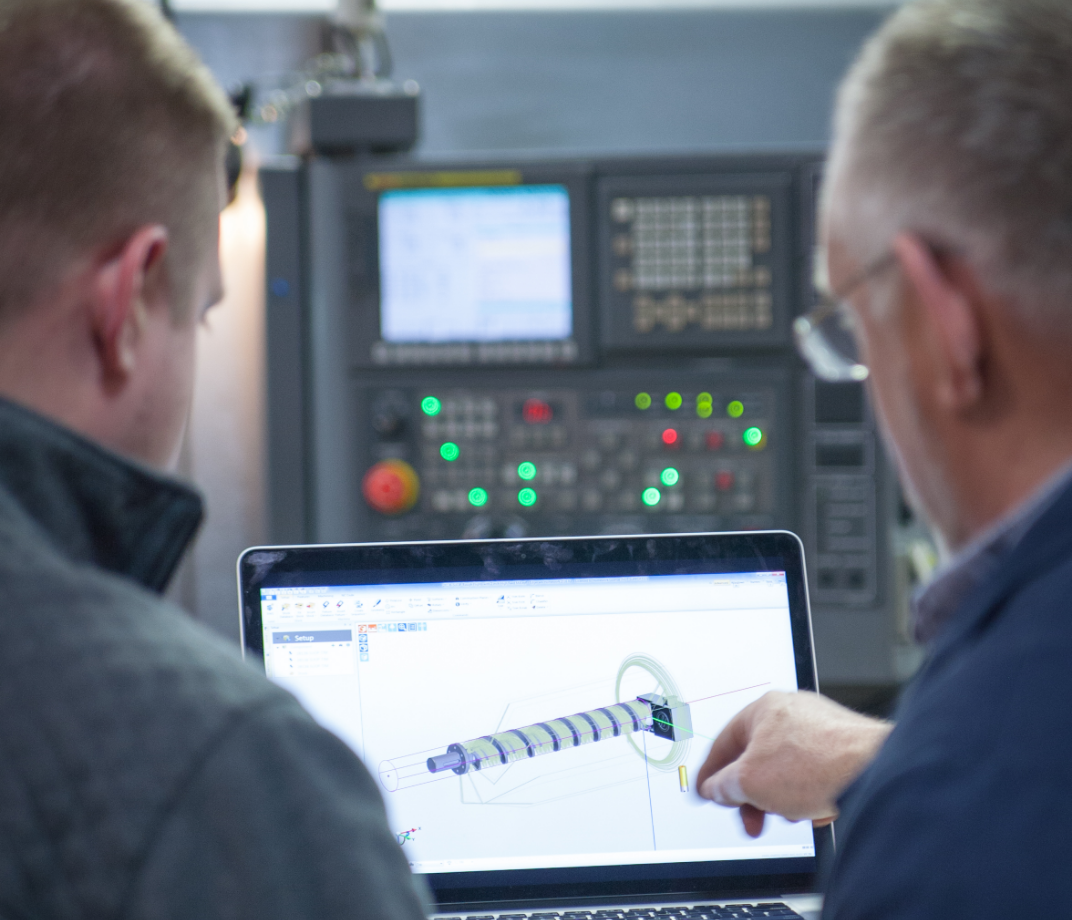
Screws, barrels, and dies are machined in Aurora on Bonnot's own CNC equipment, not outsourced. Tolerances are held to ±0.001" on critical surfaces. This controls quality and shortens lead times for replacement parts.
Rebuild & remanufacture
Bonnot rebuilds worn extruder components — including competitor machines — to original specifications. Screw reflight, barrel relining, and gearbox overhaul services extend machine life and reduce total cost of ownership.
U.S. manufactured
Design, machining, assembly, and testing occur at a single facility in Akron, Ohio. There are no overseas supply chain dependencies for structural or precision components. Lead times are quoted and met.
Long-term parts availability
Bonnot maintains design records for machines dating back decades. Replacement screws, liners, and wear components are available for most Bonnot extruders regardless of original build date.
Trusted
130 years in business and ISO certified, can be trusted with business critical processing.

Common questions about Bonnot extruders

What types of materials can Bonnot extruders process?
Bonnot extruders process a broad range of materials including natural and synthetic rubbers, food doughs and pastes (wet and dry), technical ceramics and refractory materials, carbon and graphite electrode paste, catalysts and adsorbents, pharmaceutical polymers for hot-melt extrusion, and various chemical compounds. If your material flows under pressure and temperature, contact Bonnot engineering to discuss feasibility. We have processed more than 50 distinct material categories.
What is the lead time for a new Bonnot extruder?
Lead times depend on machine size, complexity, and current shop load. Standard production extruders typically ship in 16–26 weeks from purchase order. Custom or specialty machines with unusual metallurgy or drive systems may require additional time. Replacement screws and wear components for existing Bonnot machines are typically available in 6–14 weeks. Contact Bonnot sales with your specifications for a current lead time estimate.
Does Bonnot offer process testing before I commit to a machine?
Yes. Bonnot operates a test facility in Akron, Ohio equipped with production-representative extruders ranging from 1" to 6" screw diameter. Process trials are conducted on a paid basis and generate a formal report documenting throughput, screw speed, melt temperature profile, head pressure, and output quality data. Trial results directly inform the final machine specification and reduce commissioning risk. Contact Bonnot engineering to discuss minimum material quantities and trial scope.
Can Bonnot rebuild or repair extruders from other manufacturers?
Unfortunately due to liability, we are unable to service extruders that have been made by other manufacturers.
What screw diameter range does Bonnot offer?
Bonnot single-screw extruders are available in screw diameters from 1 inch (25mm) for laboratory applications up to 24 inches (610mm) for large-scale production. Twin-screw configurations are available in a narrower range appropriate to that machine type. The appropriate screw diameter is determined by throughput requirement, material viscosity, and L/D ratio needed for the process — Bonnot engineers can assist in calculating the correct size for your application.
Does Bonnot offer sanitary or pharmaceutical-grade construction?
Yes. Bonnot builds food-grade and pharmaceutical-grade extruders with 316L stainless steel contact surfaces, crevice-free welds, CIP (clean-in-place) compatibility, and surface finishes meeting Ra 32 or Ra 16 requirements. Pharmaceutical machines can be supplied with material traceability documentation and surface finish certifications. FDA-compliant seals and gaskets are specified as standard for these applications. GMP documentation packages are available upon request.
Are replacement parts available for older Bonnot machines?
Bonnot maintains engineering drawings for machines built over many decades of production. Replacement screws, barrel liners, end caps, thrust bearings, and drive components are available for most Bonnot extruder models regardless of age. Contact Bonnot with your machine's serial number or original purchase year and a description of the part needed. Bonnot will confirm availability and provide a quotation.
What is the difference between single-screw and twin-screw extrusion for my application?
Single-screw extruders develop high pressure efficiently and are well-suited for materials requiring consistent plug flow: rubber profiles, ceramic pastes, food doughs, and materials where shear history must be minimized. Twin-screw extruders provide significantly more intensive and controllable mixing, making them preferable for compounding of filled polymers, reactive extrusion, and applications where multiple ingredients must be dispersively or distributively blended. The appropriate configuration depends on your material's rheology and the process objective. Bonnot engineers can provide a recommendation based on your specific material and output requirements.

Ready to specify your extruder?

Tell Bonnot engineering about your material, throughput target, and output geometry. We'll respond with a preliminary recommendation and, if warranted, a proposal for a process trial.

Get in touch with us

News

Latest from Bonnot

View All View All