Home » Feeders
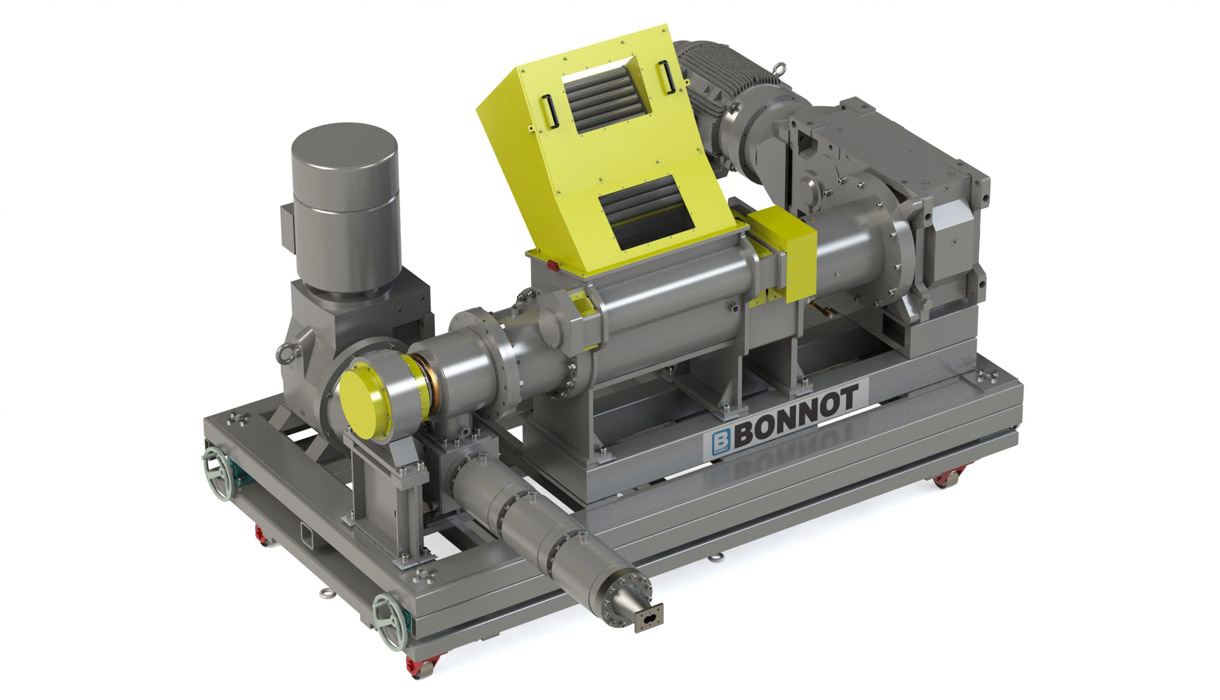
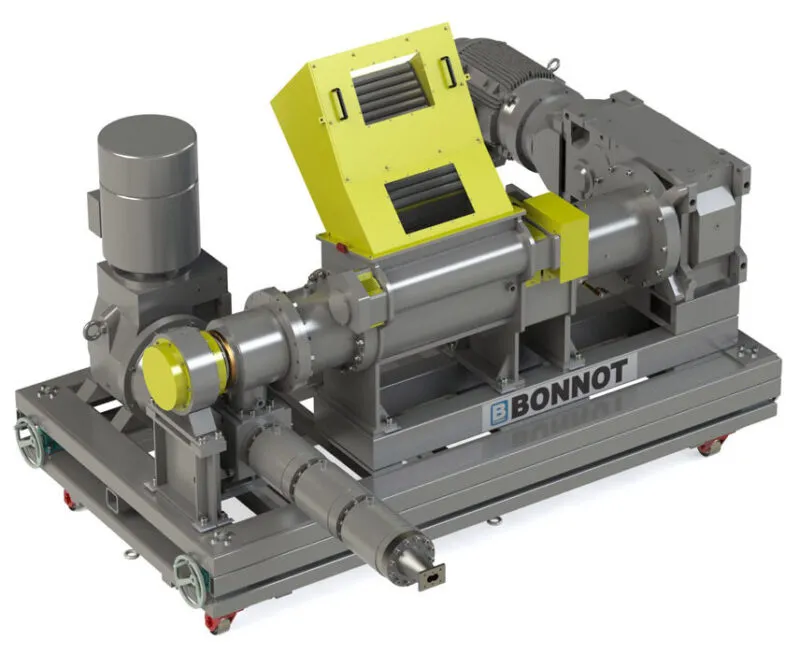
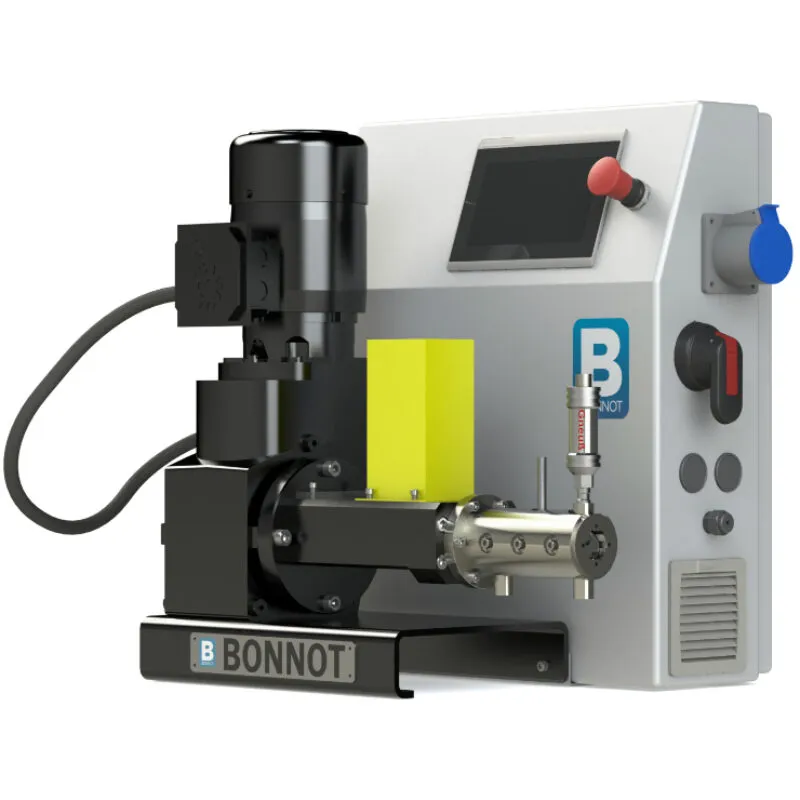
Industrial rubber extruder machine with a metallic frame, multiple cylindrical components, motors, and a yellow guard. The machine is labeled “BONNOT” and is mounted on a platform with wheels for mobility.

Bonnot Feeders

Bonnot Feeder Options

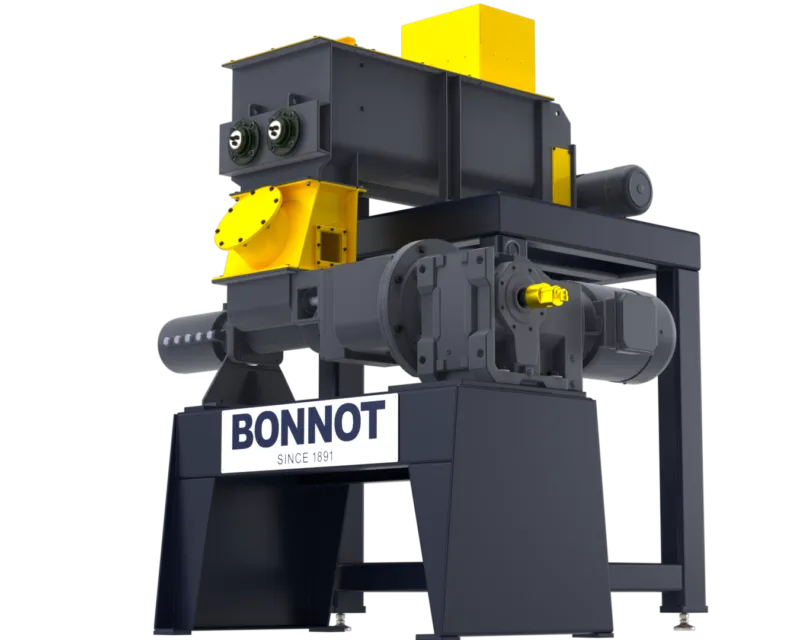
Bonnot Twin Shaft Feeders use large-diameter twin shafts and variable-pitch knives to handle large batch volumes and control residence time. Horizontal Bale Feeders ingest full rubber bales for pelletizing or compounding, using a dual-drive system that holds output variation to within +/-5% (or +/-1% with the gear pump option).


News

Latest from Bonnot

View All View All
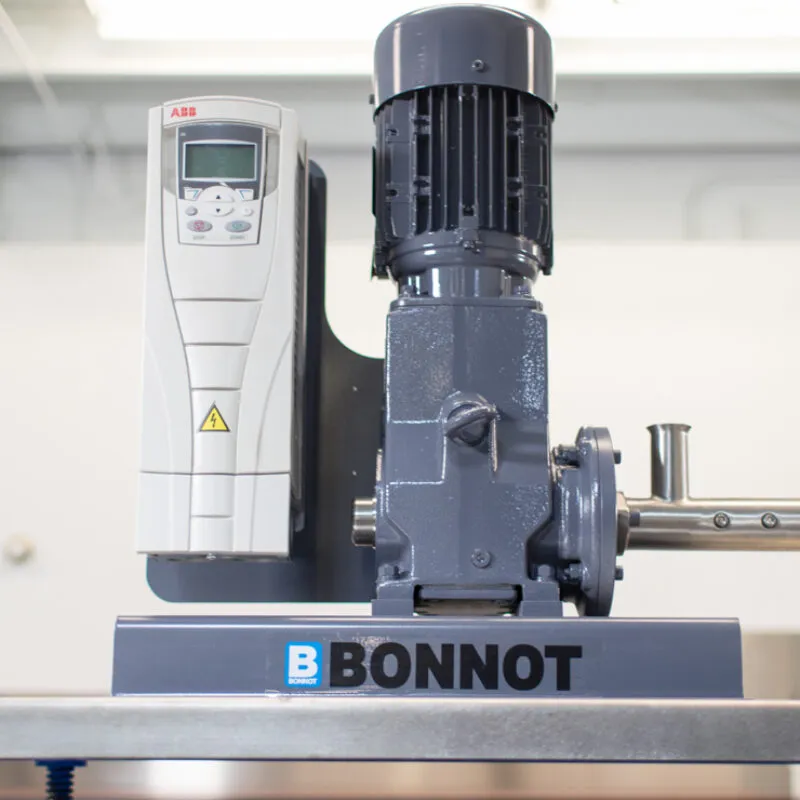
A Bonnot benchtop extruder sits on a metal surface, featuring a motor, control panel with display, and attached mechanical components. The equipment appears clean and unused, with a focus on the brand name “Bonnot.”.

July 22, 2019

3 Applications for Benchtop Extruders

Benchtop extruders, also known as laboratory extruders, are used across industries for a wide variety of purposes. The Bonnot Company has been helping labs and testing facilities create custom machines for decades — with so many different needs to fill, benchtop extruders aren't a one-size-fits-all solution. Our custom-built lab extruders have helped countless clients complete highly specific jobs and push the limits of innovation in their industries. What we've listed here are just a few of the many applications for benchtop extruders.
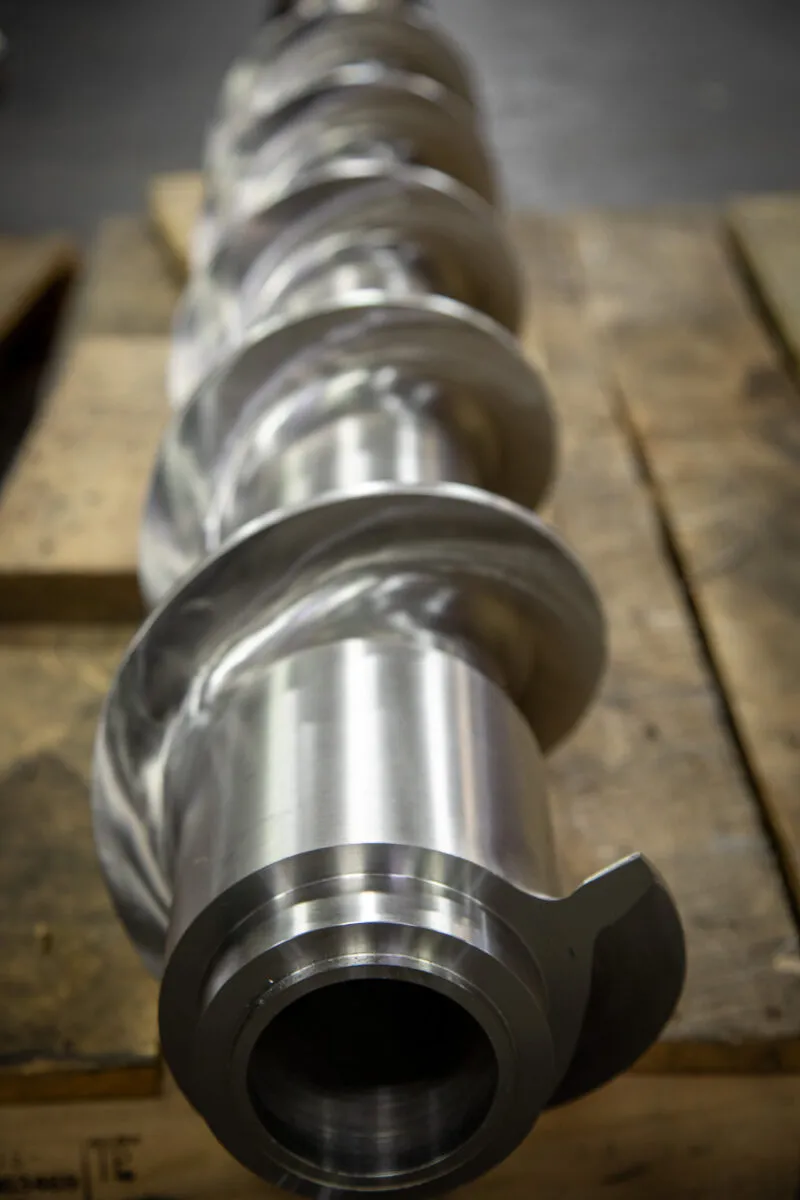
A large, shiny metal helical screw or auger lies horizontally on a wooden pallet, with the focus on the front end and the background softly blurred.

August 7, 2018

Basic Theoretical Factors in Extrusion Augers

If you take a bolt, having a nut on it, and revolve the bolt, in a fixed axis, both the bolt and the nut revolve. Then, if you hold the nut with a wrench, and revolve the bolt, in the proper direction, the nut will travel forward and fall off the end of the bolt. A clay auger works in a similar manner. Inside of the closed auger barrel there is a “clay nut” which moves forward on the screw. The clay nut is ephemeral. The clay nut is constantly being destroyed by passing off the end of the auger, and it is constantly being reformed by feed material entering the closed auger barrel from the feed hopper, or vacuum chamber.