Cooking Extruders

Bonnot Cooking Extruders have been used for decades by leading food manufacturers worldwide

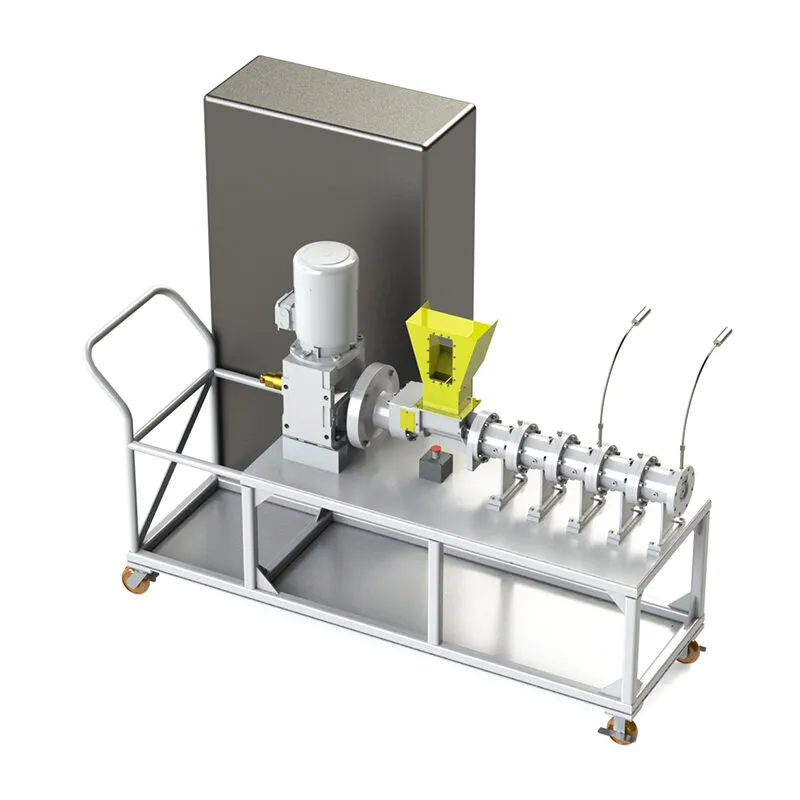
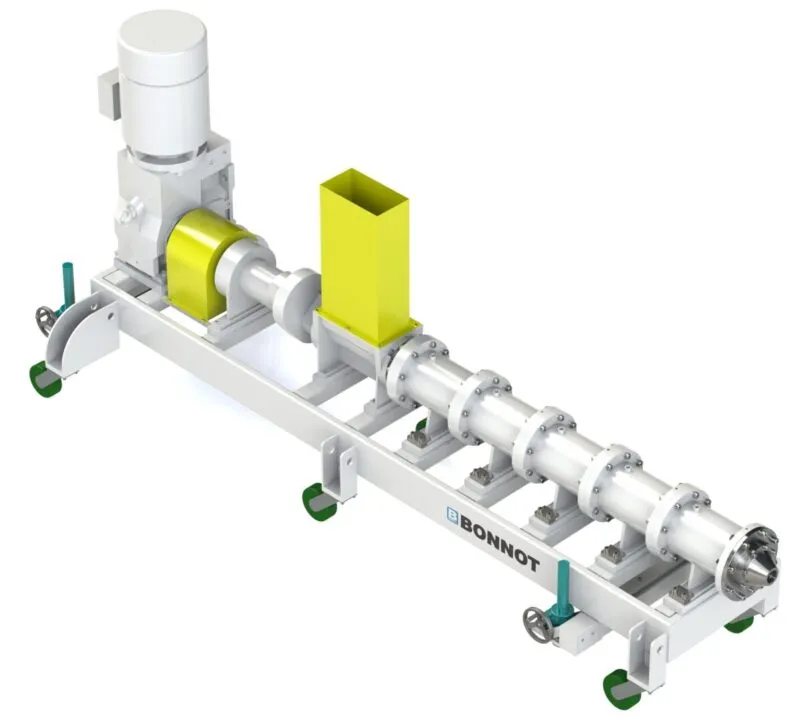
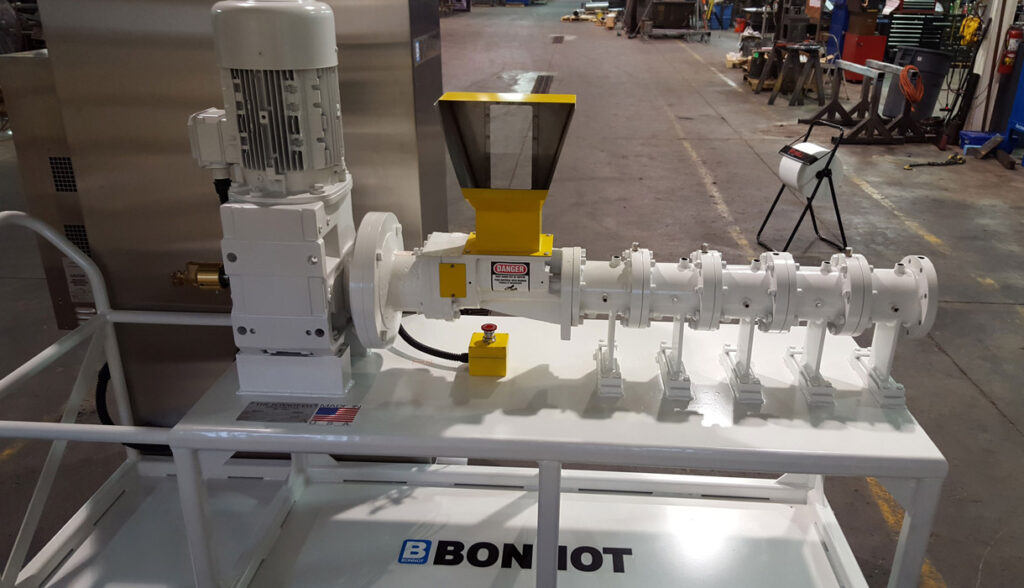
Bonnot Single Screw Cooking Extruders are optimized for continuous mechanical cooking of a wide variety of food products.

A pre-mixed recipe is fed into a Bonnot which continuously cooks and forms a shape for cereals, animal feeds, floating fish food, CBD products and many more. Bonnot Cooking Extruders differ from Forming extruders, having a longer L/D with multiple jacketed barrels for temperature management and deploying a hollow compression screw to induce mechanical shear through the material. The Bonnot Cooking extruders can be used in place of a traditional batch process, offering continuous cooking. Uses: Pet food, food product development, gelatinizing starches, zoo animal feed, cereals, confectionary and many more.

product information

Bonnot Cooking Extruders are single-screw machines purpose-built for thermomechanical processing of starch-based, protein-based, and composite food and feed formulations. Operating across five frame sizes from 1" through 8", they combine controlled shear, pressure, and temperature to cook, texturise, and shape material in a single continuous operation. The CO series handles raw grain mixes, textured vegetable protein, pet food meal, and aquafeed pellets - any process that requires simultaneous cooking and forming - scaling from laboratory development quantities through to high-volume production.

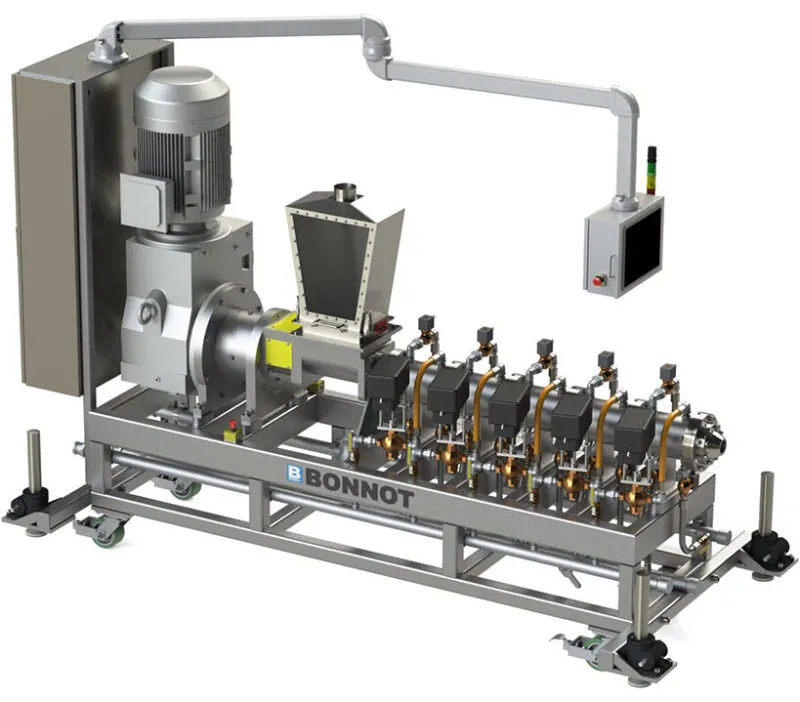
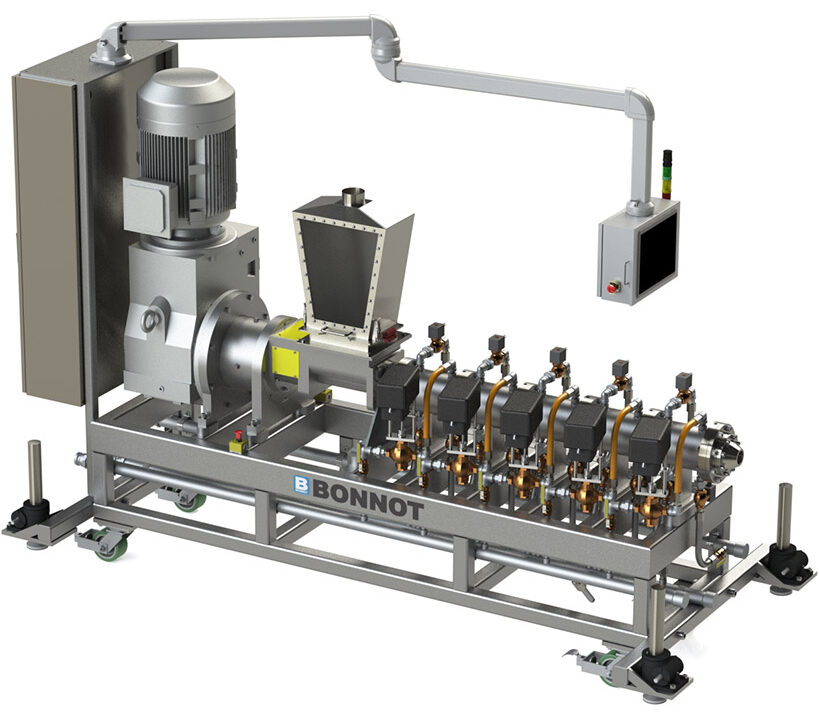
The cooking extruder barrel is constructed in stainless steel with independently jacketed zones that deliver steam injection, hot water heating, or chilled water cooling to each section of the process. This zonal control is the defining feature that distinguishes cooking extrusion from simple shaping: starch gelatinisation, protein denaturation, and moisture vaporisation can each be managed in discrete barrel segments before the product is formed at the die. Integration with Bonnot's Twin Packer feed system is standard for high-moisture or high-fat mixes that resist gravity feeding, and the CO series connects directly to Bonnot Cold Forming Extruders as a second-stage texturiser for continuous post-cooking shaping.

Advantages at a glance

Single-pass cook-and-form processing is the core commercial argument for the cooking extruder: starch gelatinisation, protein denaturation, and die-forming are accomplished in one continuous machine, eliminating the batch cooking vessels, transfer conveying, and secondary shaping equipment that increase capital cost, floor space, and product handling risk in traditional food processing lines. For a pet food manufacturer moving from a batch retort-and-grind process to continuous extrusion, the reduction in process steps is typically the primary financial justification for the capital investment.

The independently controlled barrel zones allow starch gelatinisation, protein denaturation, and moisture management to be staged and tuned as separate process events rather than as the simultaneous outcome of a single undifferentiated heat application. This means a product developer can control where in the barrel starch begins to gelatinise, how far along the screw protein denaturation is allowed to proceed before the material reaches the die, and at what point excess moisture is allowed to flash - process controls that directly determine the texture, density, and surface colour of the finished product.

304SS and 316SS contact surfaces meet FDA, USDA, and international food-grade requirements, and quick-release die heads enable fast sanitary changeover between product runs - a property that is particularly valuable on multi-SKU production lines where cleaning validation time directly affects the number of product changeovers that can be scheduled in a shift. Across the CO 1 through CO 8 range, full mechanical similarity ensures that formulations developed at laboratory scale transfer directly to production without redesigning the thermal profile or screw geometry.

Industries and materials served

Human Food - Cereals, Snacks, and Pasta

Ready-to-eat breakfast cereals, snack pellets, pasta pre-forms, and directly expanded snacks from corn, wheat, rice, and multi-grain mixes are the highest-volume applications for cooking extrusion. The CO series allows product developers to independently control the degree of starch cook, the level of protein denaturation, and the expansion ratio at the die - the three variables that together determine whether a consumer perceives a product as crunchy, chewy, or airy.

Pet Food - Kibble, Semi-Moist, and Functional Formats

Dry kibble, semi-moist chunks, and treat shapes from meat-and-grain, high-protein, and grain-free pet food formulations are produced on cooking extruders where precise moisture and temperature control affects palatability, digestibility, and shelf-life stability. The degree of starch cook achieved in the extruder barrel is the primary determinant of kibble water activity, which in turn controls microbial stability without the need for preservatives in many modern formulations.

Aquafeed and Aquaculture Nutrition

Sinking and floating pellets for fish, shrimp, and crustacean feeds are produced by controlling barrel pressure and die geometry to achieve the target pellet density. Water stability and nutrient retention during immersion are managed through barrel temperature and moisture profiles - the CO extruder's independent zonal control is specifically what allows these competing requirements to be optimised simultaneously rather than traded off against each other.

Plant-Based Protein and Textured Vegetable Protein

High-moisture and low-moisture texturised vegetable protein from soy, pea, wheat gluten, and blended protein concentrates is produced on cooking extruders where the anisotropic fibrous texture required for meat analogue applications depends on precise control of shear rate and thermal profile across the barrel length. The CO series is capable of producing both low-moisture TVP in a single pass and high-moisture TVP in a two-stage process paired with a Bonnot Cold Forming Extruder.

Animal Feed and Livestock Nutrition

Complete feed pellets, TMR supplements, and specialty animal feeds requiring cooking or starch gelatinisation before pelletising are processed on the CO series, which replaces steam conditioner and pellet mill configurations with a single machine. The elimination of the steam conditioner reduces steam consumption, simplifies the process train, and removes a source of moisture variation that commonly causes pellet quality inconsistency in conventional pelleting installations.

Starch Processing and Functional Carbohydrates

Modified starch production, pre-gelatinised starch for instant food applications, and starch-based biodegradable packaging intermediates are processed on cooking extruders where the controlled shear and temperature environment produces repeatable rheological modification without the batch variability associated with jet cooker or autoclave-based starch conversion processes.

Extruder Design Features

+ Stainless steel construction

+ Food safety standards applied

+ Longer L/D (20:1+)

+ Multiple zone temperature control for heating, including screw

+ Compression screws induce shear and evenly heat

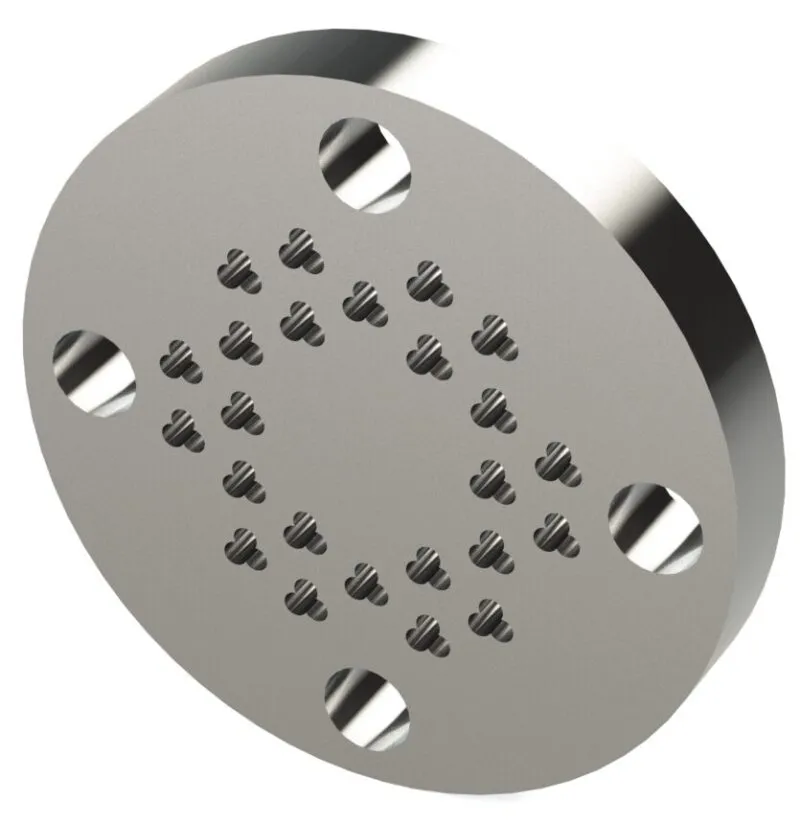
+ Many die configurations for your application

+ Heating TCU’s or electric band heaters available
Specifications

Extruder Standard Specifications

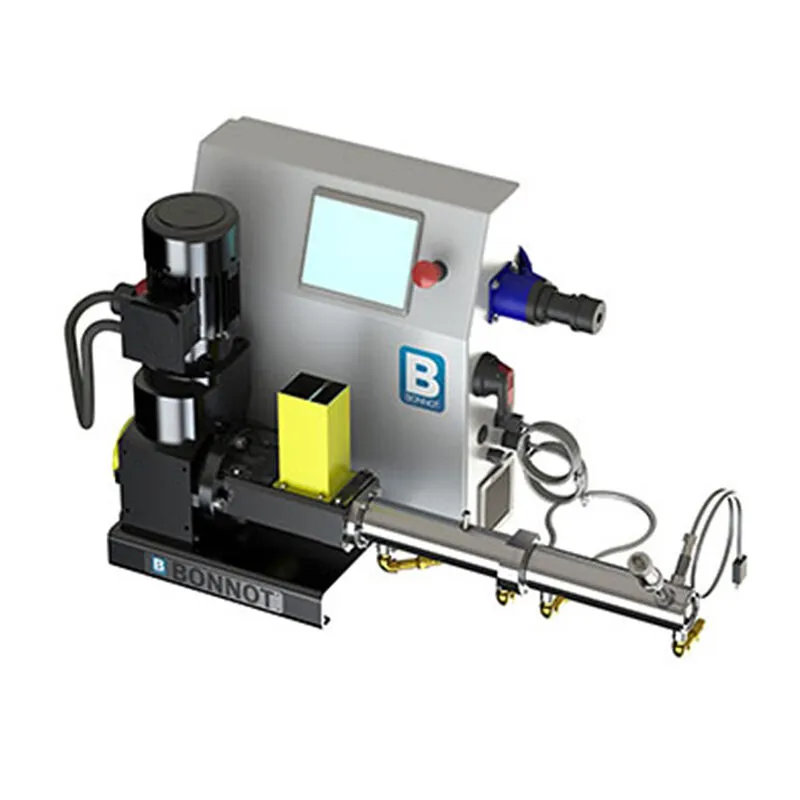
CO 1 Series

Starting from
$60,000
Output (lbs/hour)
5-15
Approximate Layout (L x H x W)
35" x 22" x 16"
Hopper Opening
3” x 2.4”
Approximate Weight (lbs)
131
Motor Power (HP)
0.5

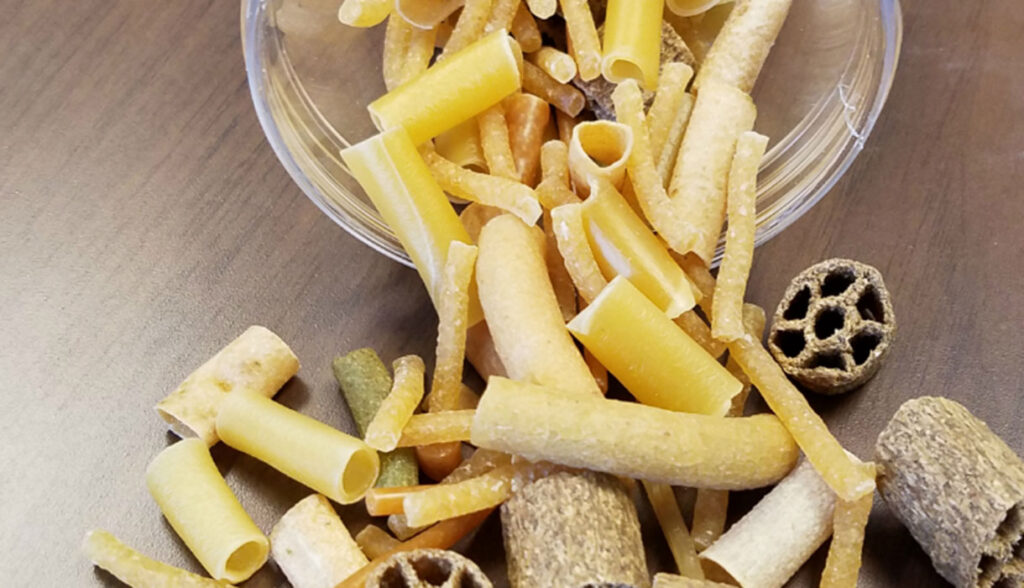
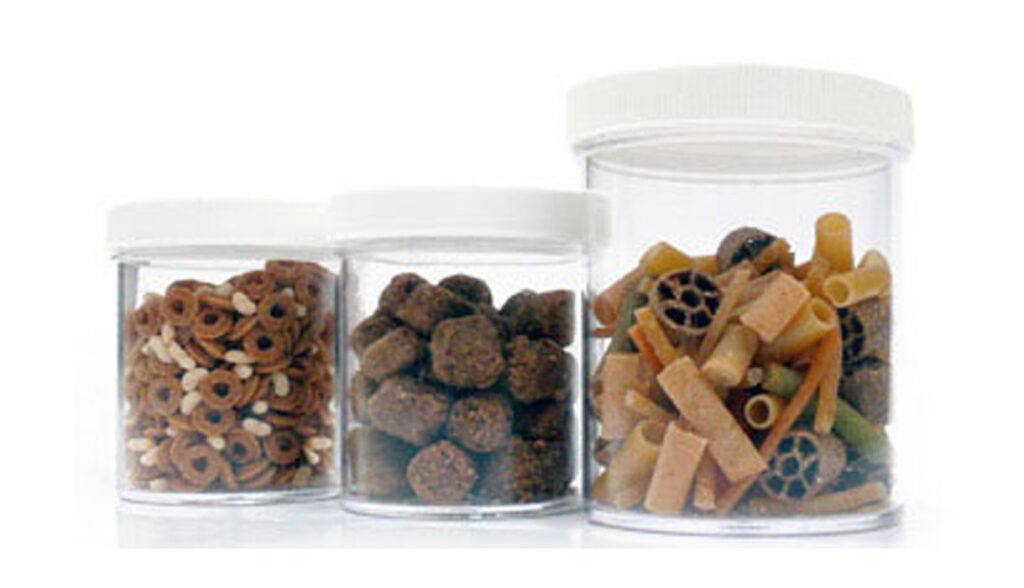
Extrude pasta, cereals and more

The Bonnot Cooking Extruders can be use to gelatanize starches, process corn based products, floating fish food. and many more food cooking processes.

The machines can also be used for pet foods.

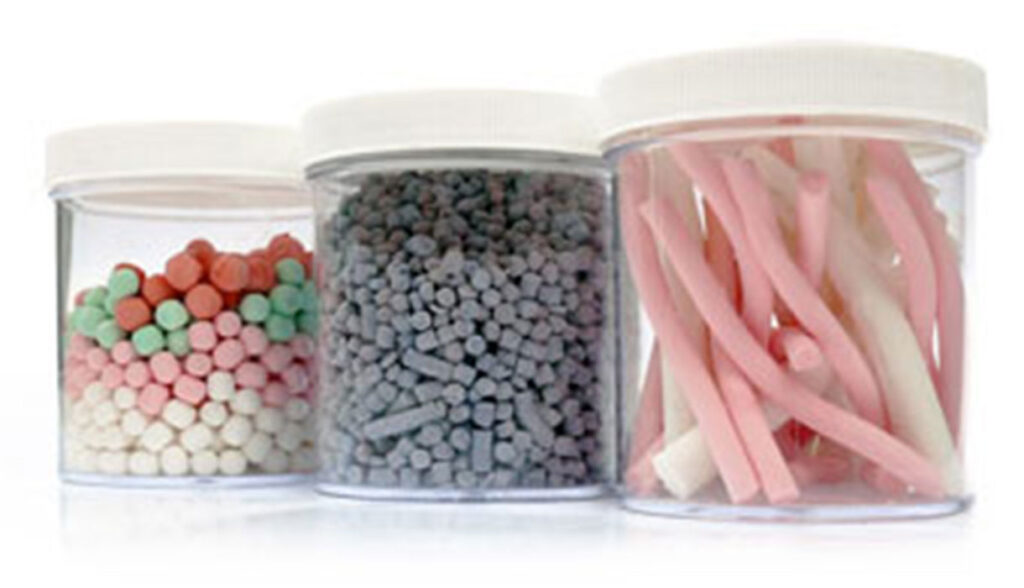
Samples of extruded foods

Cereals, candy, inclusions and more

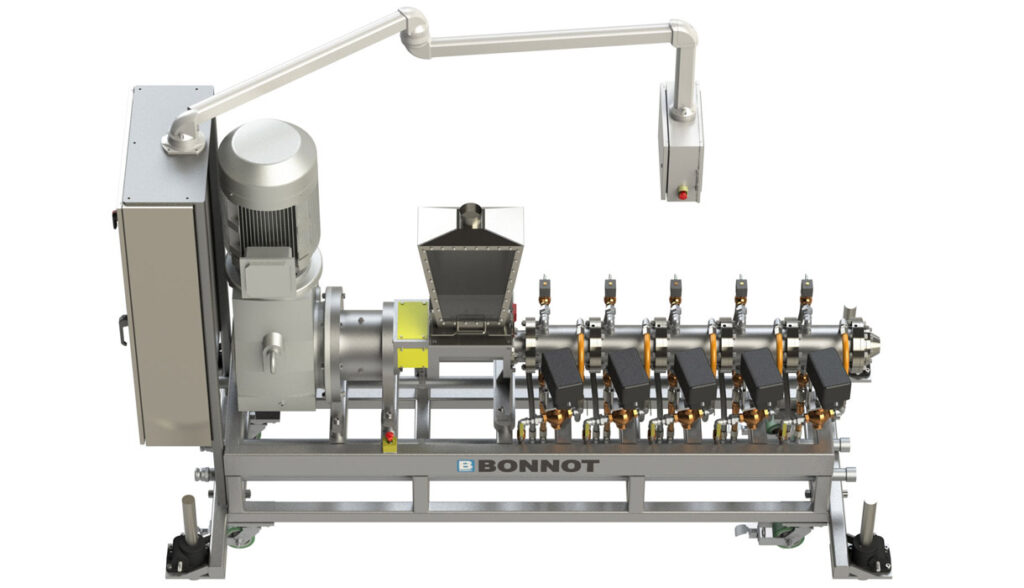
2 Series Cooking Extruder with Controls

This custom made-to-order cooking extruder is operating in a test kitchen.

State-of-the-Art Cooking Extruder

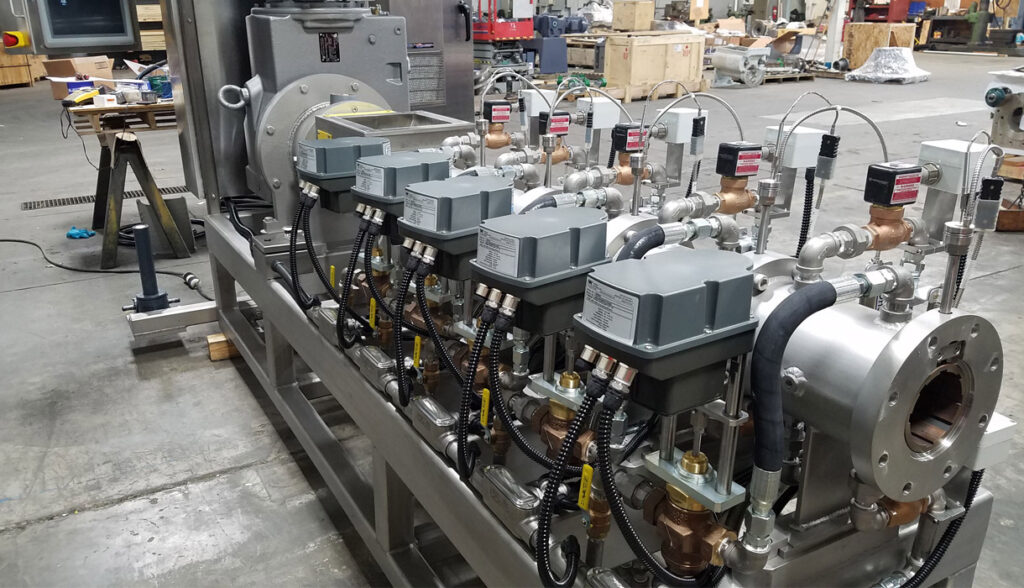
This cooking extruder has provisions for both steam and water heating and cooling in seperate zones, controlled from a touch screen.

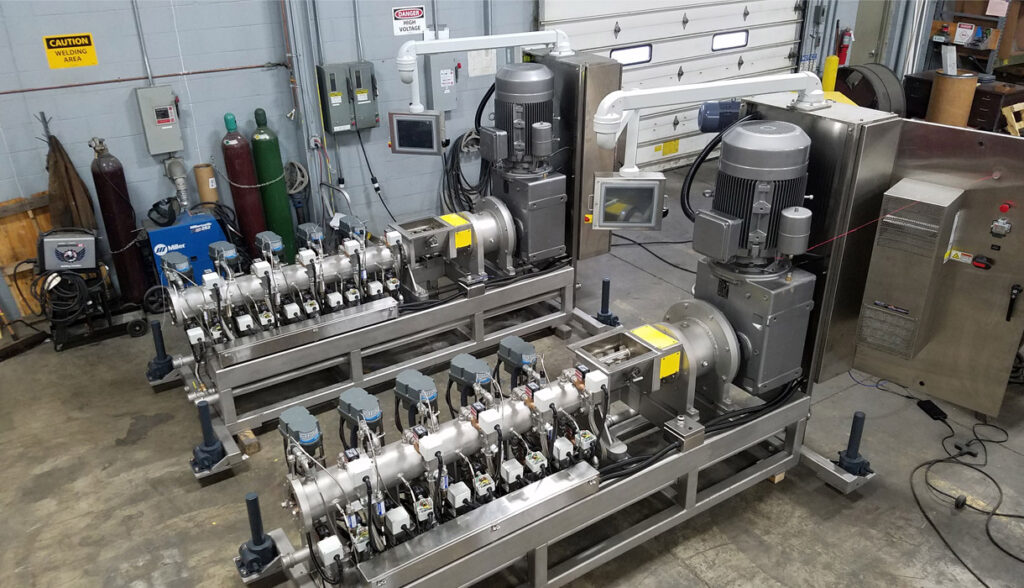
4 Series Cooking Extruders

Complex Plumbing

2 Series Cooking Extruder

Samples

Samples of food manufactured on our cooking extruders.

Want to prove it out?

The Bonnot Company is pleased to offer FREE feasibility testing in our test facility. Come and take advantage of our comprehensive catalog of test equipment; different extruder designs, screw geometries, forming dies, temperature control options, mixers and material testing equipment.

Get in touch with us

Trusted by the Best

  • Post Holdings, Inc
  • The JM Smucker Co