-
Structural Clay Products - Brick, Block, and Roofing Tile
Common brick, facing brick, hollow block, and roofing tile from red clay, shale, and fireclay bodies represent the highest-volume application for clay extrusion. Major brick manufacturers rely on Bonnot CL extruders as the primary forming machine on high-throughput production lines where the combination of throughput, wear resistance, and extrudate consistency determines the economic performance of the brick production operation.
-
Clay Pipe and Drainage Infrastructure
Vitrified clay pipe for sewer and drainage infrastructure is produced in standard diameters with wall-thickness tolerances that must be met to pass hydraulic and impact testing. The CL extruder’s consistent extrusion pressure is directly responsible for wall-thickness uniformity in pipe extrusion – pressure fluctuations caused by bridging or surging in the feed system translate directly into wall-thickness variation that causes pipes to fail impact testing.
-
Refractory and High-Temperature Ceramic Shapes
Fireclay, high-alumina, silicon carbide, and zirconia refractory shapes for furnace linings, kiln furniture, and thermal processing equipment require dimensional precision and green density uniformity that determines fit-up accuracy in lining assemblies and thermal performance in service. The CL series’ ability to produce these shapes continuously, with consistent cross-section geometry, is the basis for its use in commercial refractory manufacturing.
-
Mineral Pelletising and Industrial Minerals
Bentonite-bonded iron ore pellets for blast furnace feed, and industrial mineral pellets across the mining and agricultural sectors, are produced on the CL series where the cylindrical pellet geometry and consistent green density that extrusion provides outperform the roundness and size variability of disc-pelletised product in terms of crush strength and blast furnace permeability.
-
Art Clay and Professional Sculptors' Materials
Professional art clay products – blocks, coils, and void-free clay sheets – sold to sculptors, potters, and specialist art schools must be completely free of air inclusions to throw, hand-build, and fire without cracking. Art clay manufacturers use Bonnot extruders – typically paired with vacuum de-airing – because the consistent density and void-free texture that extrusion with vacuum produces is a premium product attribute that commands a price premium in the professional art materials market.
-
Technical and Advanced Ceramics
Alumina tubes, zirconia rods, cordierite honeycomb substrates, and precision ceramic shapes for electronics, medical, and engineering applications require the dimensional tolerance and green density uniformity that the CL series, paired with vacuum de-airing, consistently delivers. For technical ceramic manufacturers, the extruder’s ability to hold cross-section tolerances tightly enough that fired-part dimensions fall within specification without machining – which is expensive and sometimes impossible for hard ceramics – is a direct commercial requirement.
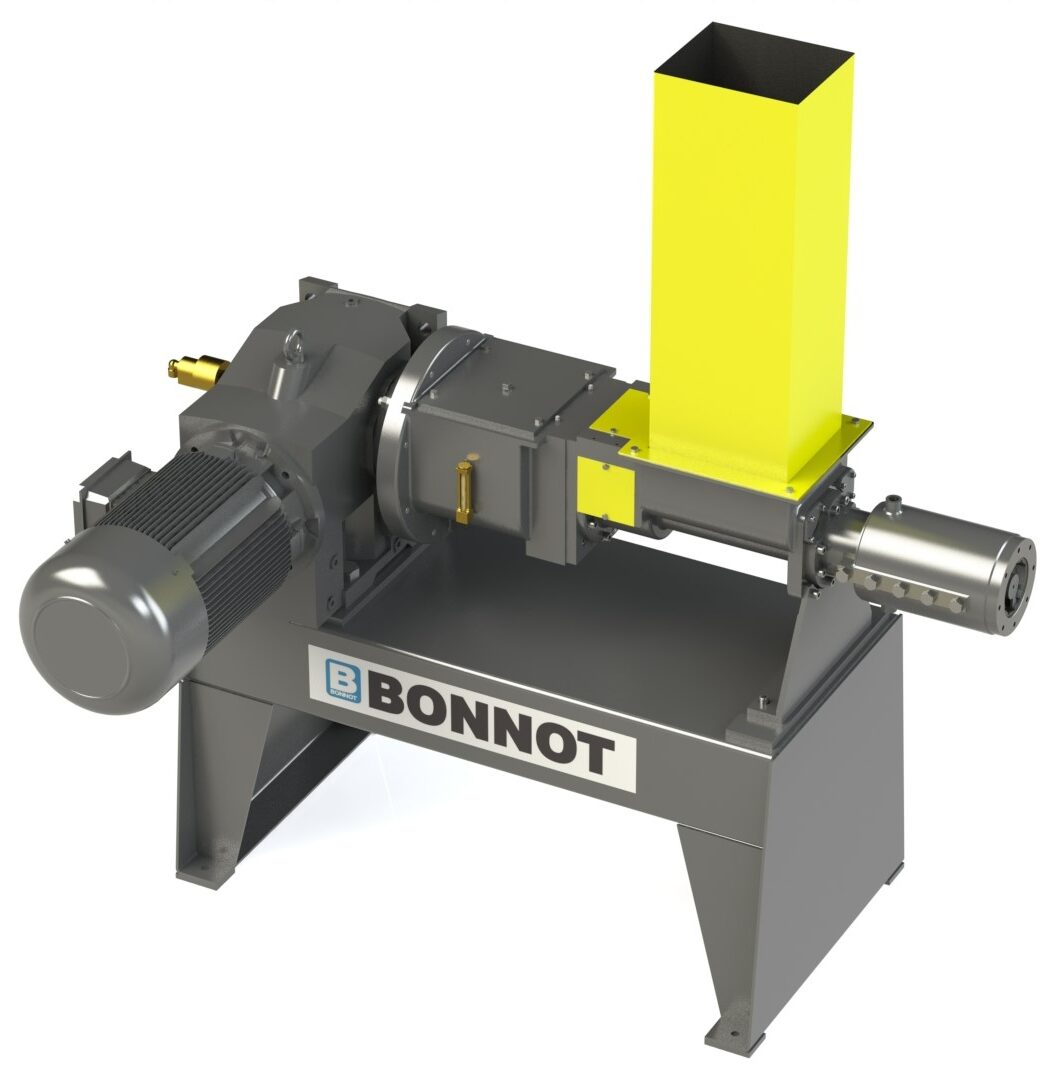
Clay Extruders
Clay was first material processed on Bonnot Extruders in 1891
The Bonnot Company single screw extruder designs were created to process clay and products formulated with clay.
With clays, oftentimes the objective is to ingest the formula from the mixer and create a uniform profile for packaging, or a downstream process. Clays (bentonite) are often added to formulas as a binder to aid formation of a given profile.
PRODUCT INFORMATION
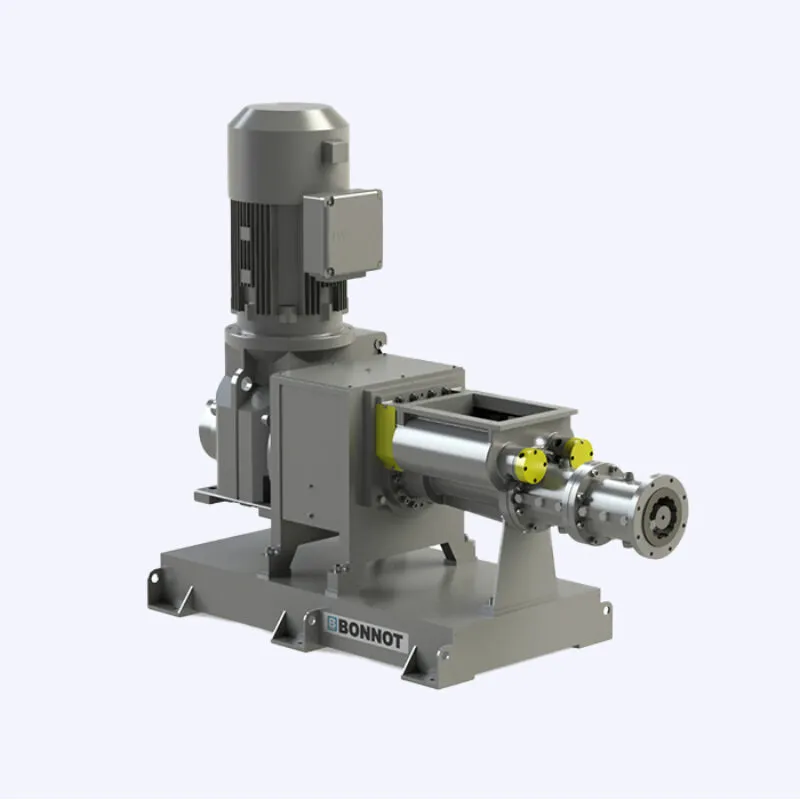
The Bonnot Clay Extruder is the direct descendant of the company’s founding product – the first Bonnot machine was built for clay extrusion in 1891, making this the longest-continuous application in the product range and the original basis on which all subsequent Bonnot extruder engineering was built. The CL series spans five sizes from 1″ through 8″ and covers the full breadth of plastic ceramic processing: common brick and facing brick, fireclay and vitrified clay pipe, stoneware tile, bentonite-bonded iron ore pellets, refractory shapes, art clay products, and precision technical ceramics. The fundamental extrusion principle – a precision screw compresses and advances a plasticated clay body through a forming die to produce a continuous extrudate of consistent cross-section – has not changed in over 130 years, but the precision of the die geometry, the control of the thermal profile, and the wear-surface engineering have evolved continuously throughout that period.
Modern CL series applications range from high-volume structural ceramic production through technical ceramic shapes – cordierite honeycomb substrates, alumina tubes, zirconia rods – where dimensional tolerance, surface finish, and green density uniformity are critical to firing outcome. The CL series integrates with Bonnot pugmill mixers for continuous upstream conditioning and with vacuum de-airing chambers where porosity-free extrudate is required for the application. The series serves leading producers in structural ceramics, industrial minerals, and technical ceramic manufacturing across North America and internationally.
ADVANTAGES AT A GLANCE
-
01
130+ Years of Accumulated Clay Extrusion Refinement
Over 130 years of clay extrusion experience is embedded in the CL series' screw geometry, die design, and wear-protection specification in ways that are not easily replicated by manufacturers who entered the clay market in later decades. The specific relationship between screw compression ratio and ceramic body plasticity, the die land lengths that produce smooth extrudate surface finish without over-working the body, and the wear protection specifications that provide acceptable service life at commercially viable maintenance intervals are all refinements accumulated through continuous production experience since the 19th century.
-
02
One Platform Spans Brick Through Precision Technical Ceramics
The CL series handles applications spanning common fireclay brick - where the primary requirements are throughput, consistency, and wear resistance - through precision technical ceramics, where dimensional tolerances in the tenths of millimetres and green density uniformity are critical to the fired part's dimensional accuracy and mechanical properties. This application breadth on a single mechanically consistent platform means that a manufacturer adding a technical ceramic product line to an existing brick or tile operation can adopt the same extruder architecture rather than acquiring a separate machine optimised solely for technical ceramics.
-
03
Integrated Vacuum De-Airing for Void-Free Ceramics
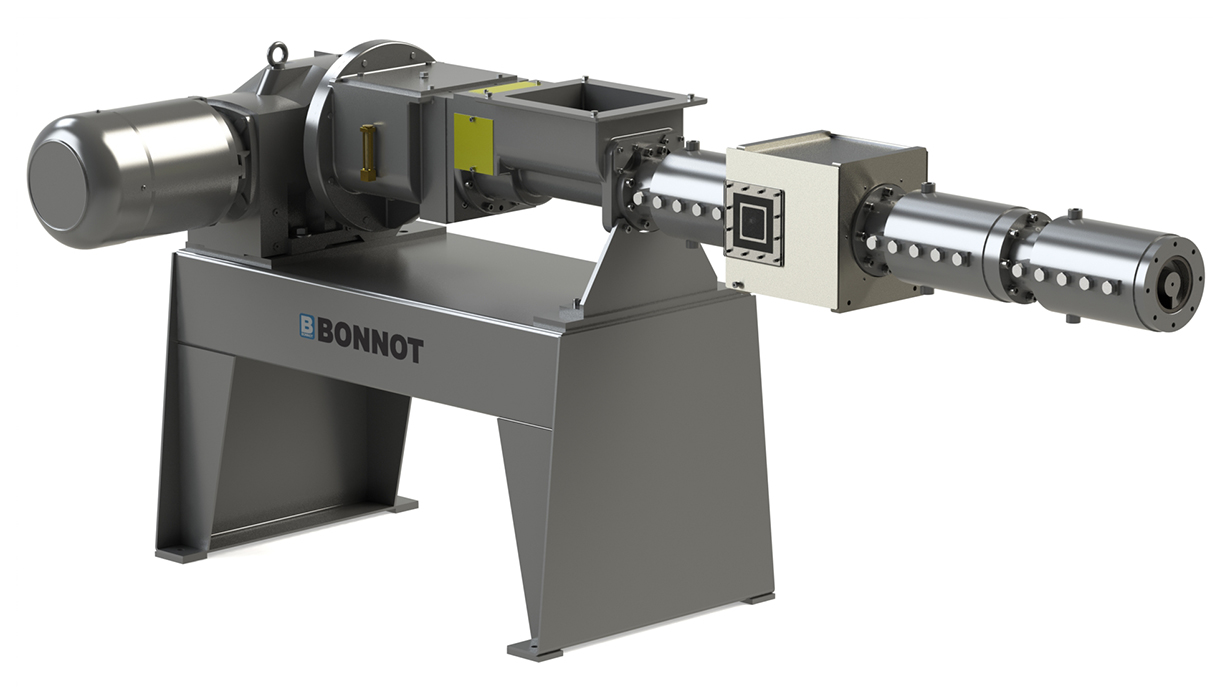
Integration with vacuum de-airing chambers transforms the CL from a forming machine into a complete void-free extrusion system. The VP and VI vacuum extruder series integrate directly with the CL platform, with the vacuum chamber positioned between the CL feed stage and the final forming screw to de-air the plasticated body before it reaches the die. This integration is the standard specification for high-value technical ceramic production, where even a single air inclusion can cause a fired part to fail dimensional or structural inspection - and where the cost of a firing cycle makes post-firing rejection commercially unacceptable.
INDUSTRIES AND MATERIALS SERVED
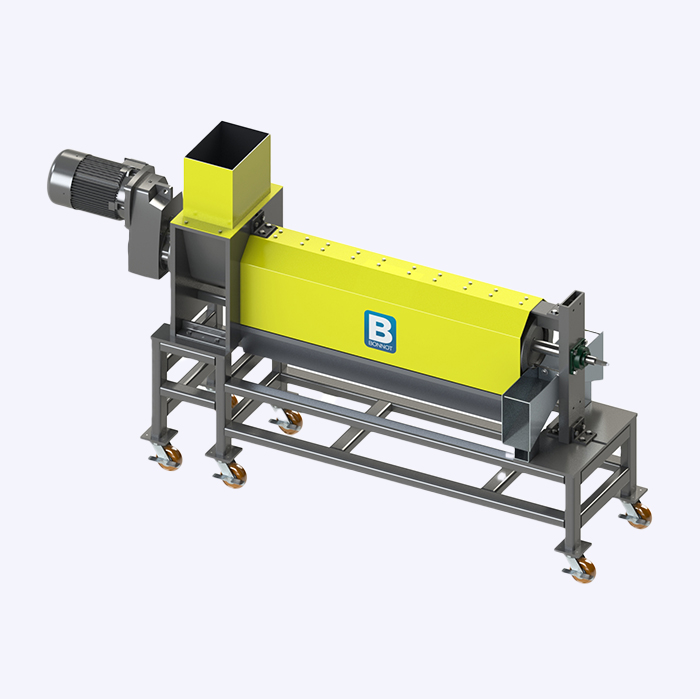
extruder design features
-
01
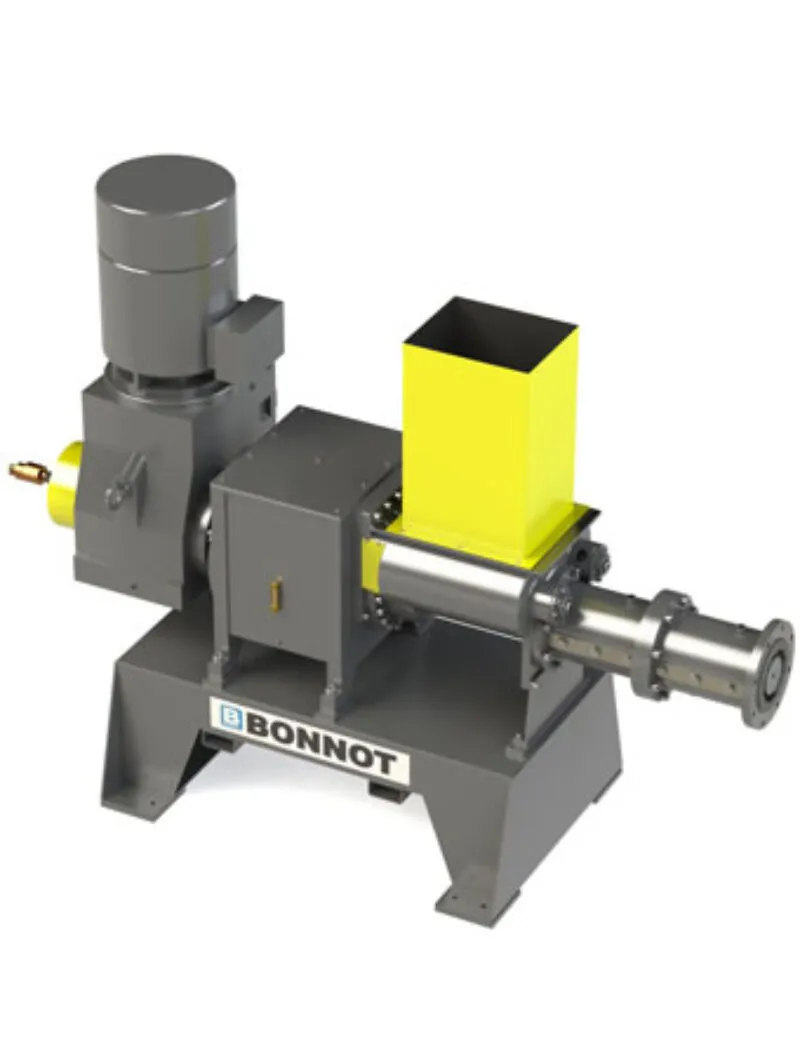
Hopper openings dimensioned to accept large batches
-
02
Counter rotating packer(s) to aid ingestion and prevent “bridging”
-
03
Hard surfacing and replaceable wear resistant barrel liners
-
04
Jacketed barrel for temperature processing control
-
05
Customizable dimensions
-
06
Configured for your specific application(TCU)
Specifications
Extruder Standard Specifications
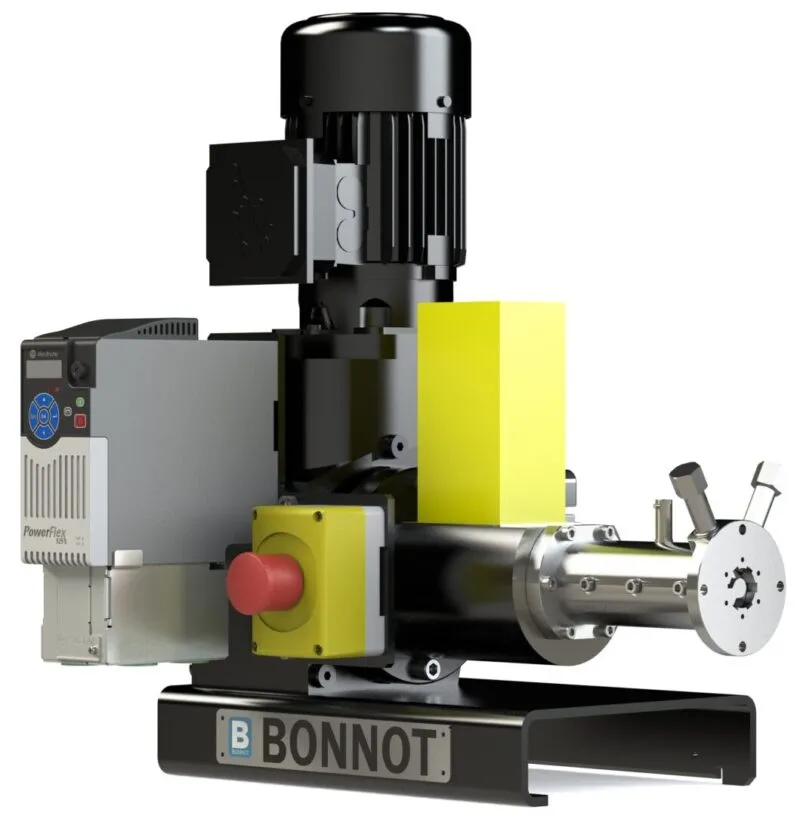
CL 1 Series
- Output
- 5-15 lbs/hour
- Layout L x H x W
- 21" x 22" x 16"
- Hopper Opening
- 3” x 2.4”
- Motor Power
- 0.5 HP
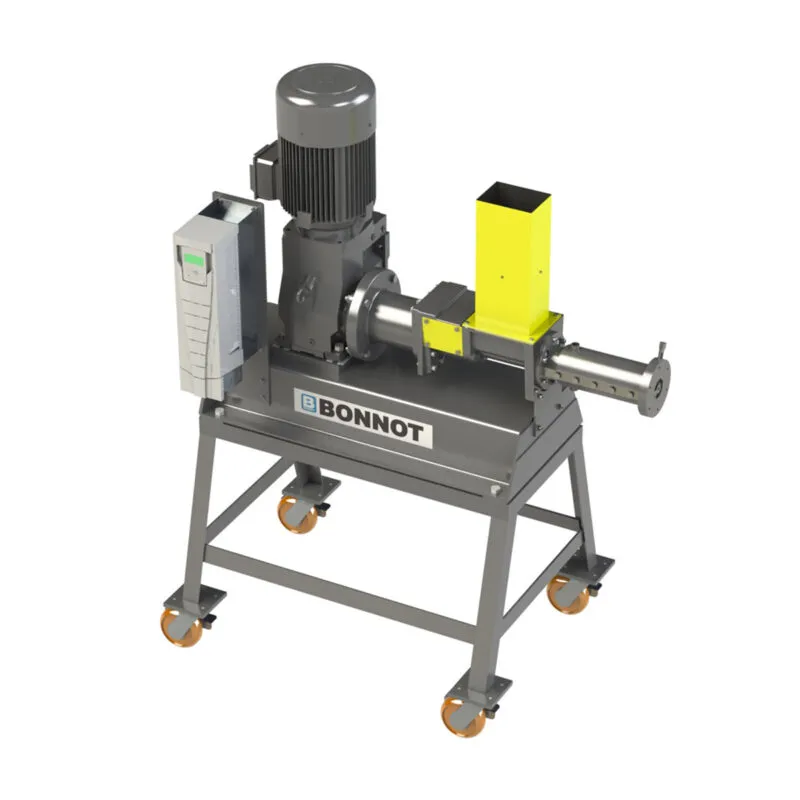
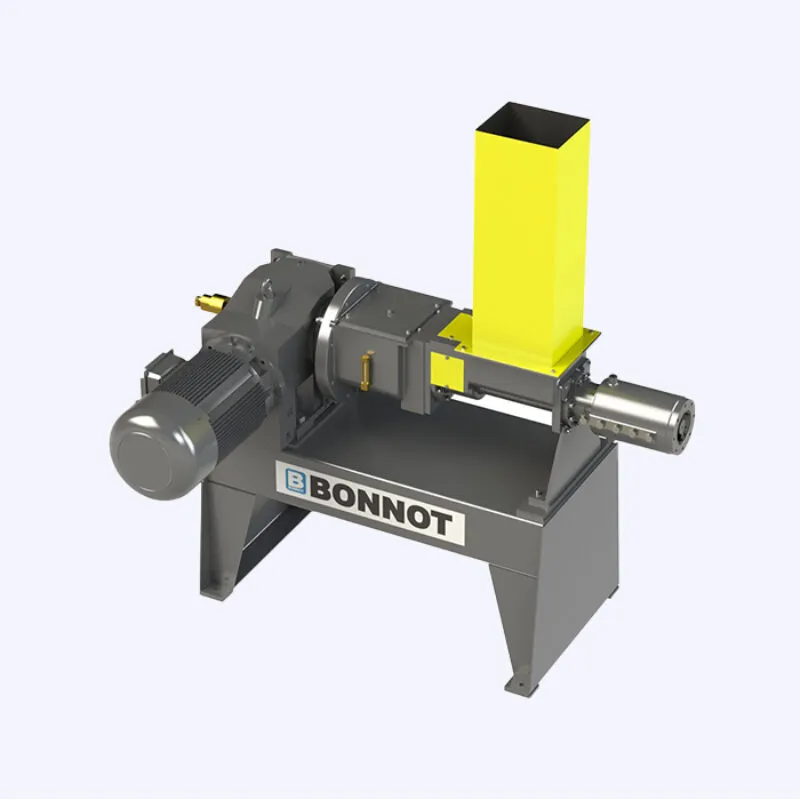
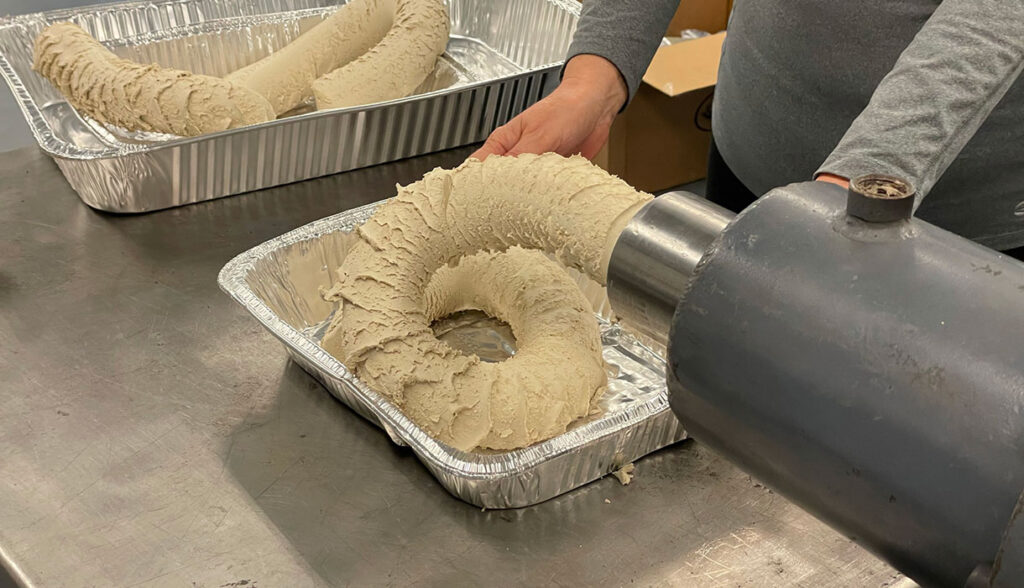
De-airing clay on our patented inline vacuum extruder
Often a priority for clay handlers is de-airing.
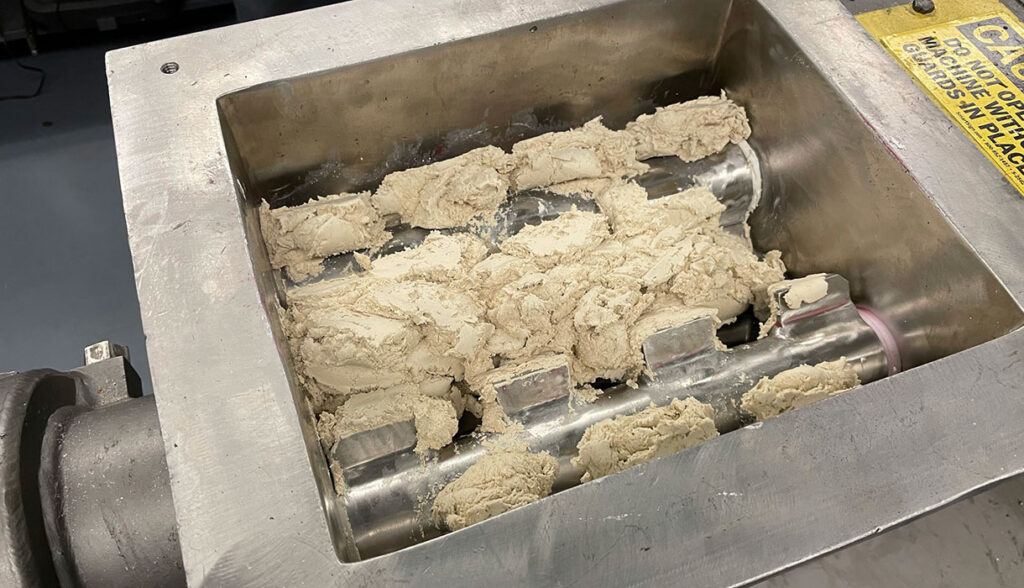
Twin Packers for easy ingestion
Our mechanical feed section provides positive feeding to the extrusion screw.
Trusted by the Best




FREE FEASIBILITY TESTING
WANT TO PROVE IT OUT?
The Bonnot test facility offers free feasibility trials across the full CL series — different frame sizes, vacuum de-airing options, and full material testing.
-
EXPLORE THE CL SERIES
EARLY RESEARCH
EXPLORE THE CL SERIES
Not sure which size fits your body plasticity and throughput? We'll help you match your material to the right configuration.
-
SCHEDULE A CONSULTATION
TECHNICAL EVALUATION
BOOK A TECHNICAL CONSULTATION
Discuss screw compression ratio, die design, and wear protection directly with a Bonnot process engineer.
-
READY TO TRIAL
BOOK A FREE TRIAL RUN
Bring your body to our facility. We'll run a trial, measure key parameters, and send you samples.